Academia
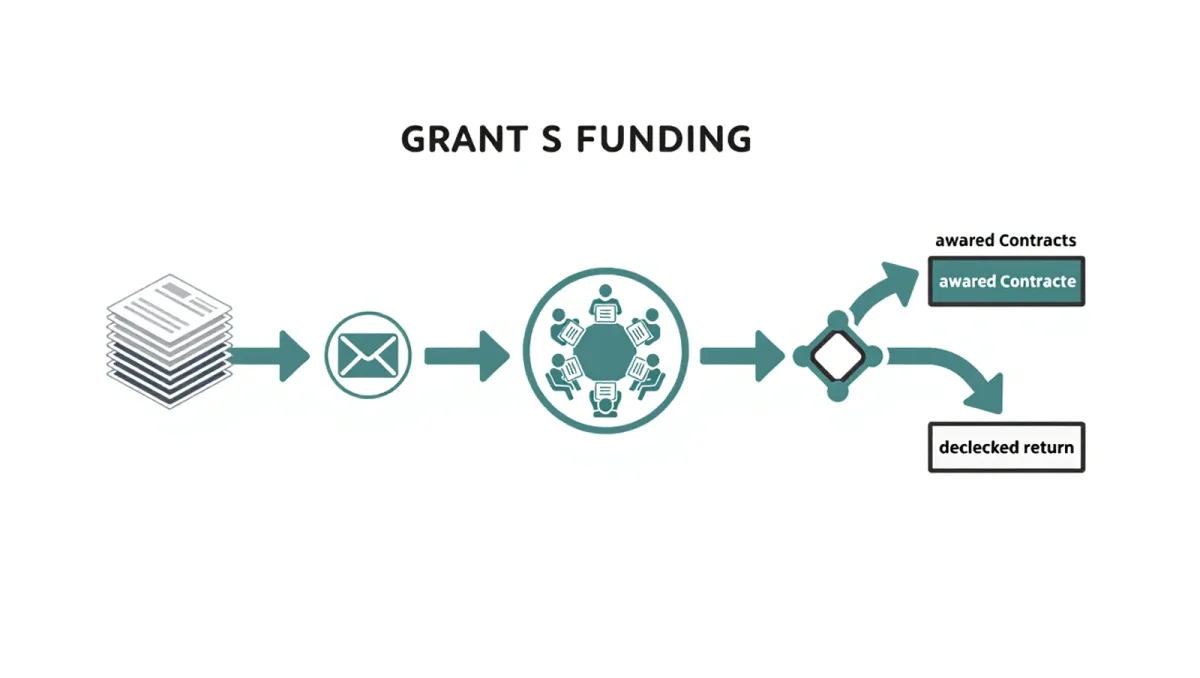
NSF funds roughly one in five proposals through a review system built on two criteria, rotating panels and a program officer who manages the match.
By Marta Kowalczyk • April 27, 2026
Academia
After decades of legal whiplash, graduate worker unions now cover more than a hundred thousand academic workers — and their contracts are rewriting stipend norms.
By Marta Kowalczyk • April 5, 2026
Academia
Researchers donate tens of millions of reviewing hours a year to journals whose subscriptions their libraries also pay for — a strange economics that is showing strain.
By Marta Kowalczyk • March 13, 2026
Academia
The United States holds tens of thousands of postdoctoral researchers, and the economics of the position — pay, duration, and the queue behind it — have quietly become academia's sharpest contradiction.
By Marta Kowalczyk • February 18, 2026
Academia
Most US college teaching is now done by instructors off the tenure line, paid per course, without research support or a contract beyond a semester.
By Marta Kowalczyk • January 26, 2026
Academia
Indirect cost reimbursements built the laboratories that direct grants furnish — and a 2025 cap attempt turned a 50-year-old accounting rule into a political fight.
By Marta Kowalczyk • January 4, 2026