
Journals
The Peer Review System, Explained From Both Sides
Who picks the reviewers, what the anonymity models hide, and how an editor turns three reports into one decision.
By Clara Bennett • September 29, 2026
Journals examines academic publishing itself: peer review, editorial practice, open access and the economics of getting research into print.
Who picks the reviewers, what the anonymity models hide, and how an editor turns three reports into one decision.

A retraction is not a erasure. It is a public record of where the checking failed — and reading it closely teaches more about how science works than most clean results do.

A qualitative study of Multnomah County's Preschool for All finds that free tuition solves one problem and creates a harder one: the compromise.
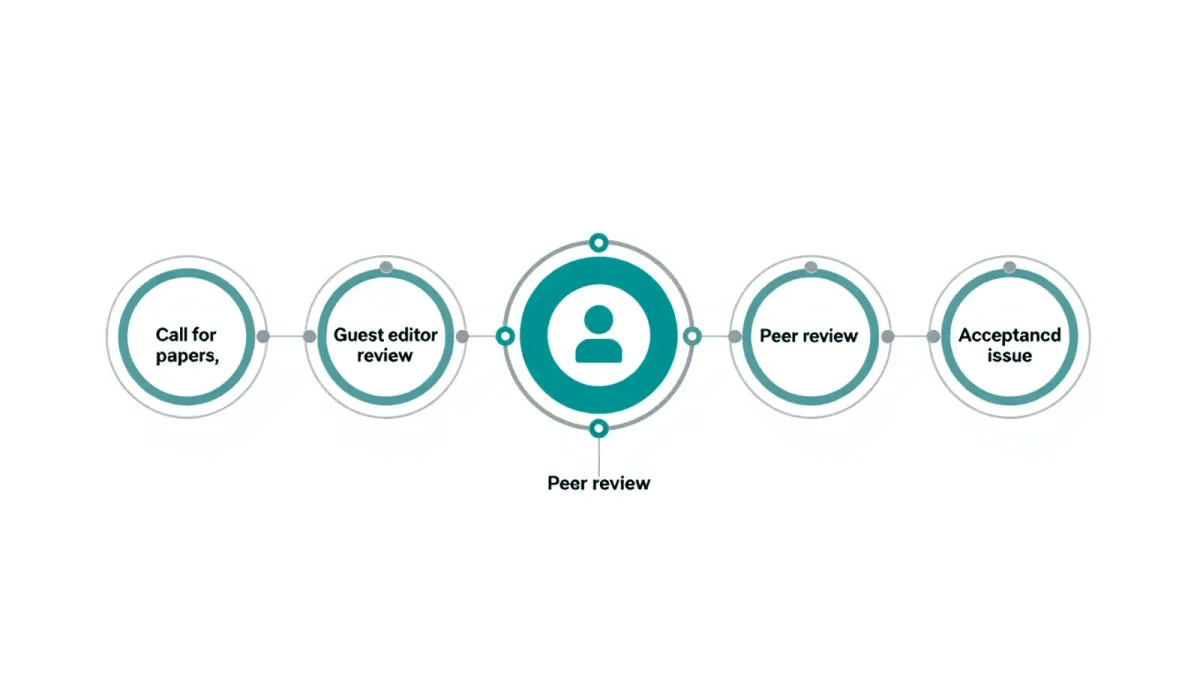
Guest-edited special issues concentrate a journal's authority in one scholar's network — which makes them efficient science and efficient fraud when the wrong guest editor arrives.

Most major publishers permit large language models to polish a reviewer's prose but forbid feeding confidential manuscripts into chatbots — and detection of secret AI use remains unreliable.
More than 10,000 papers were retracted in 2023 alone, a record year, yet the median case still takes months or years to move from suspicion to formal withdrawal.
arXiv passed 2.5 million papers, bioRxiv and medRxiv add tens of thousands more each quarter, and journal review now trails public exposure by months.
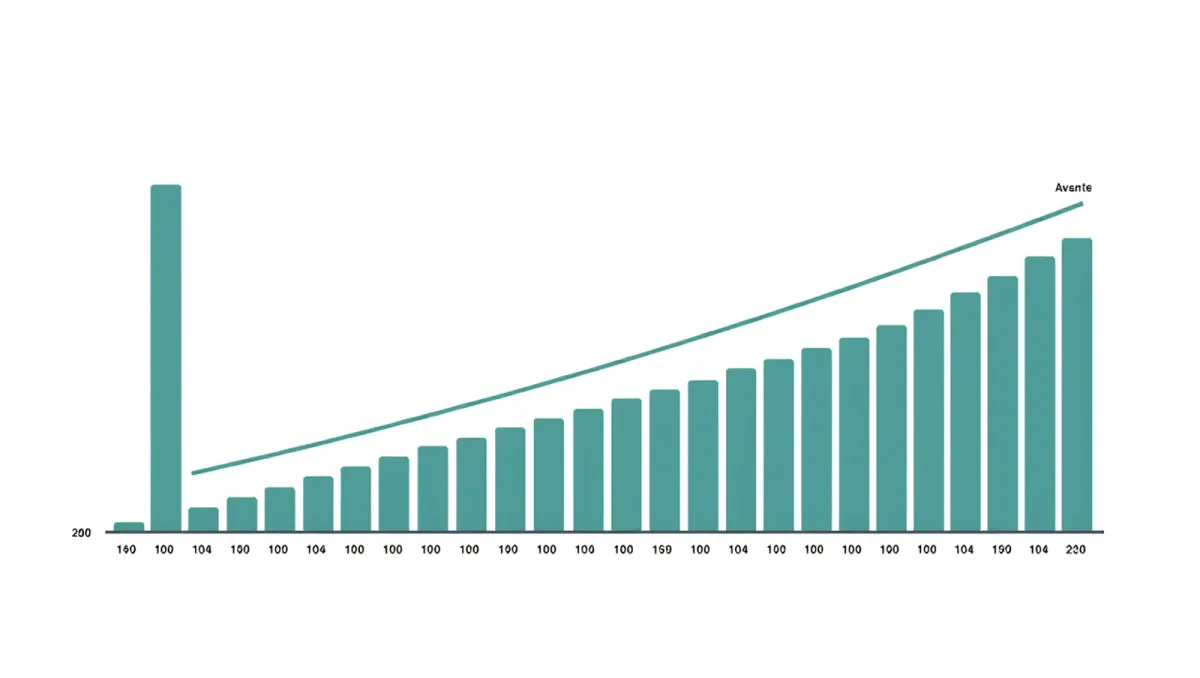
The San Francisco Declaration now carries more than 25,000 signatures, and the EU-backed COARA coalition has made metric reform official policy across European research.

Publishing frauds now outnumber legitimate checks, with tens of thousands of suspect articles a year; a consistent checklist catches most of them before any fee is paid.

Universities now bundle journal subscriptions and open-access fees into single contracts, and by 2025 Europe had signed several hundred of them.