A predatory journal imitates a legitimate one — website, editorial board, peer-review language — while performing little or no real review, then bills authors for publication. The scale is no longer marginal. A 2022 study in PLOS ONE estimated 355,000 to 394,000 articles a year published in suspected hijacked or predatory outlets, and paper mills that fabricate entire manuscripts have pushed retractions in major journals to record levels: Retraction Watch's database, now hosted by the Crossref initiative, passed 50,000 entries as of 2024, with a large share tied to compromised review and mill-produced papers.
This is an explainer on recognizing journal fraud. Early-career researchers under publication pressure are the main targets, and no single signal is proof by itself — the checklist works in aggregate.
Nine red flags worth memorizing
1. Unsolicited invitations. Legitimate editors rarely cold-email researchers outside their field asking for a manuscript. Generic messages praising "your valuable research" without naming any of it are a near-certain marker.
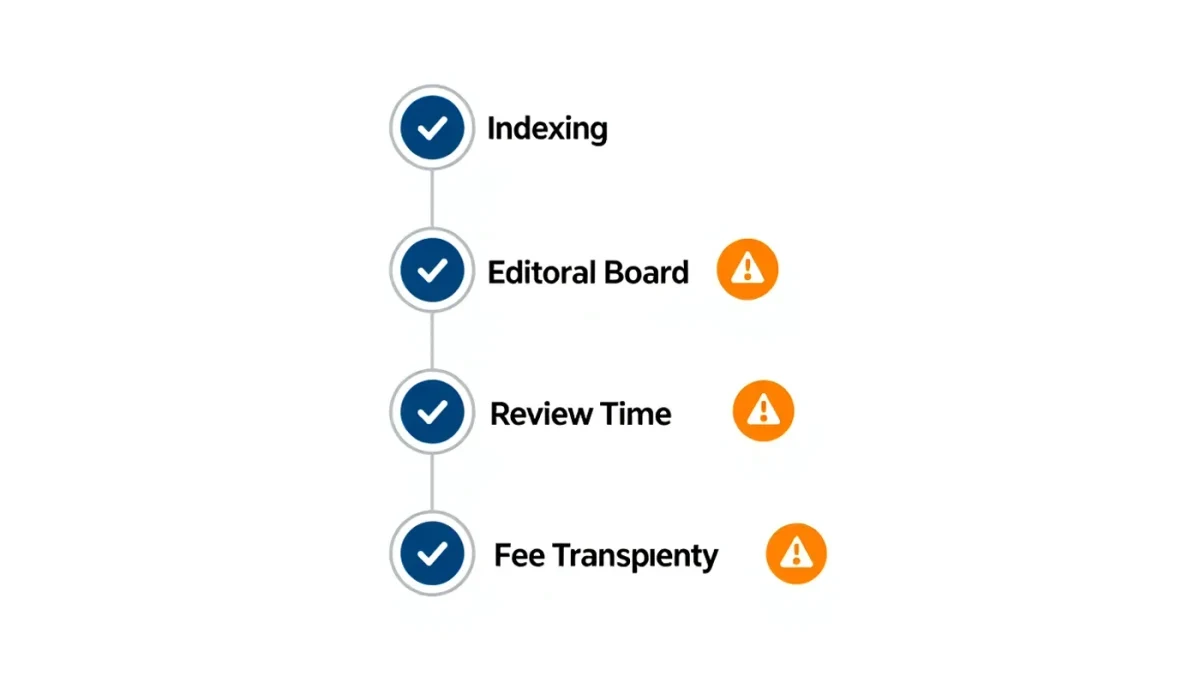
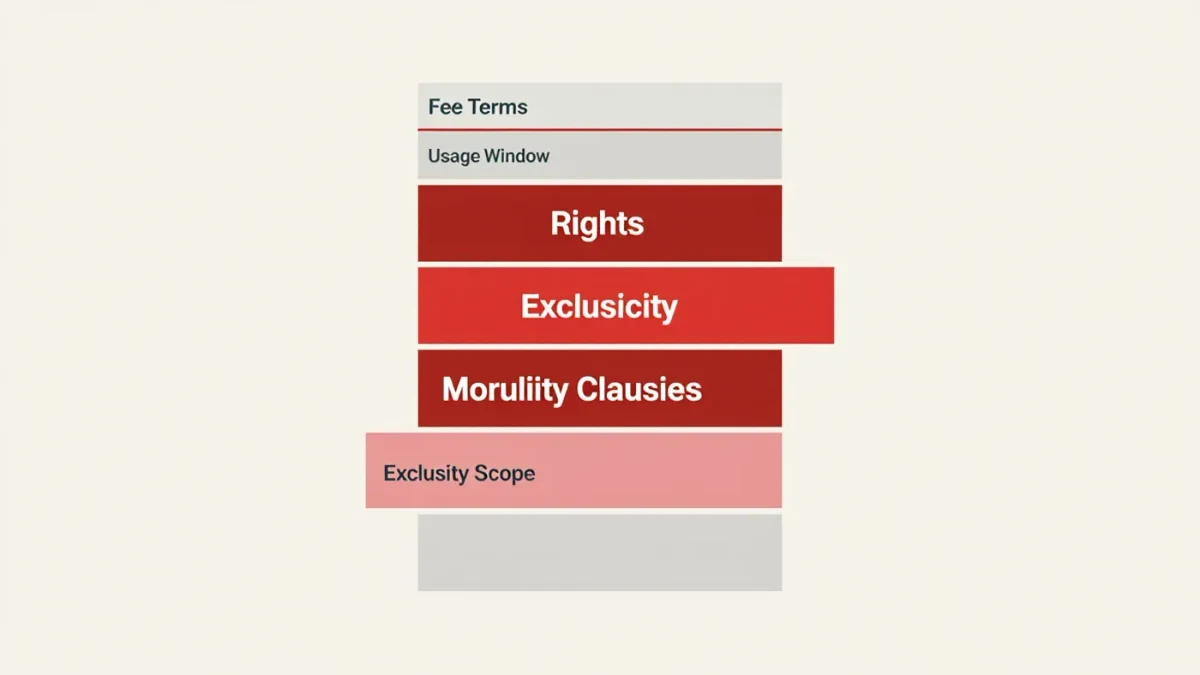
2. Fees disclosed late or not at all. Legitimate journals publish APCs clearly before submission; predatory ones reveal charges only after acceptance.
3. A claims-versus-indexing mismatch. The site promises Scopus, Web of Science, or PubMed indexing; the journal appears in none of them. Check directly in the databases, never trust the website's badges.
4. Sloppy scope and language. A "Journal of Multidisciplinary Engineering and Medical Science" that accepts anything is announcing it has no standards to defend.
5. Fake or coerced editorial boards. Academics listed without consent — one recurring scam — are discovered when a real professor emails asking to be removed. Boards with no institutional pages, or with photographs lifted from stock libraries, are the same warning in digital form.
6. Guaranteed rapid publication. "Publish in 48 hours" is incompatible with review by experts, full stop.
7. Mimicry of real brands. Lookalike names — hijacked journals that copy a legitimate outlet's identity, or titles one word apart from famous ones — are documented in hijacking reports tracked by Retraction Watch and university libraries.
8. No preservation or archiving. A journal that publishes but does not deposit content with CLOCKSS, Portico, or a national library can vanish, taking citations with it.
9. Missing in the indices of integrity work. Tools vary in reliability — Beall's list was influential but discontinued in 2017 amid criticism of its criteria; today researchers cross-check Cabell's paid blacklist, DOAJ membership, and COPE membership. Absence everywhere is the signal.
How do hijacked journals differ from start-up frauds?
Two scams share the label. The crude version is the start-up fraud: a brand-new website with a prestigious-sounding name that publishes anything for a fee. The sophisticated version is hijacking, in which scammers clone a legitimate journal's website, copy its international standard serial number, and intercept submissions meant for the real outlet — sometimes of journals dormant for years, where the legitimate publisher's online presence is thin. Hijacked titles are more dangerous because they carry a real journal's citation history and indexing footprint, and researchers discovering them may find the fraud only after the fee is paid. Security researchers who track hijacking report that recovered domains can take a year or more to re-establish, during which the fraudulent mirror keeps collecting manuscripts and money from authors who did nothing careless.
What are publishers and institutions doing at scale?
The institutional response matured through 2023-2024. Major publishers formed joint integrity groups that share intelligence on mill submissions, and several now screen every submission for image duplication and statistical anomalies before review. Universities began treating predatory publication as a research-integrity matter rather than a career misfortune: some institutions have withdrawn promotions built on fraudulent outlets, and a few national systems, most visibly in China, delisted hundreds of suspect journals from official publication-incentive lists. Oversight is also formalizing in the United States, where federal research-integrity offices publish misconduct guidance that institutions apply to fabrication and plagiarism cases, however the original publication venue was chosen. None of this shuts the ecosystem down; the demand side, incentives that count papers, remains the engine.
Why does this ecosystem keep growing?
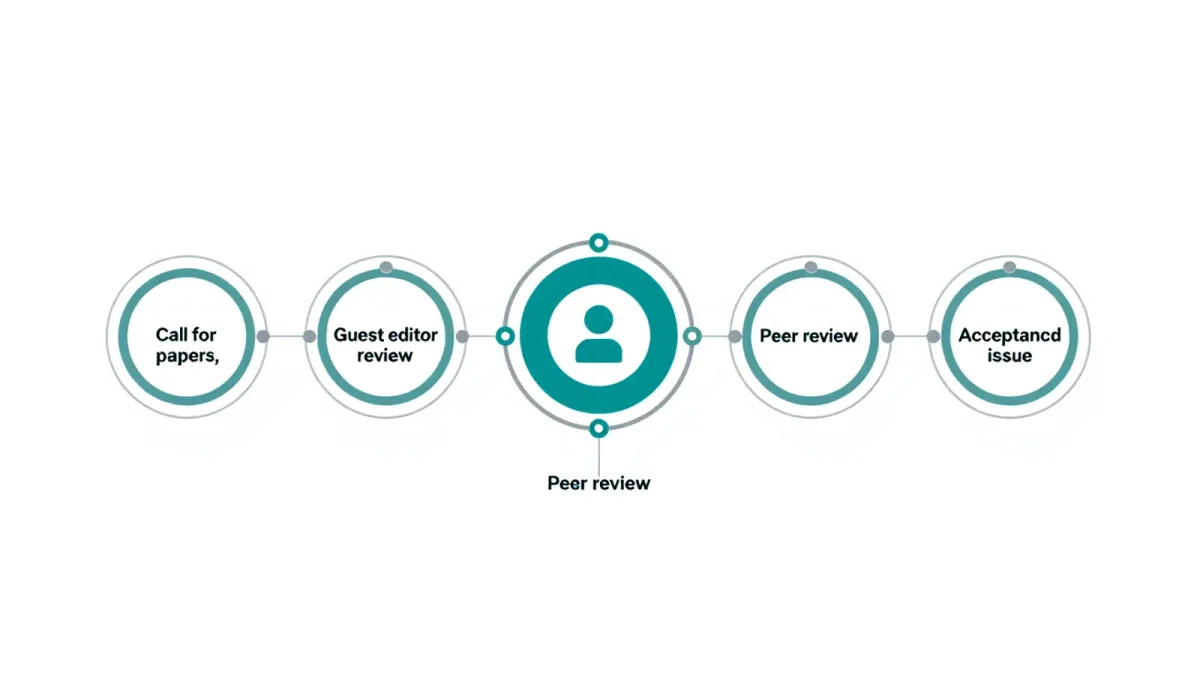
Demand comes from publish-or-perish incentives: hiring, promotion, and, in some countries, cash payments per paper. Supply comes from near-zero operating costs — a template website and an email list. Intermediary industries professionalized the scheme: paper mills sell authorship slots in bulk, and by 2024 scholarly publishers' joint integrity groups were reporting tens of thousands of mill submissions a year at major publishers alone. The 2019 scandal at interdisciplinary mega-journals, where guest-edited special issues accepted mill papers wholesale, showed the fraud is not confined to obscure outlets.
What should a researcher actually do?
Before submitting: verify indexing in PubMed or Scopus directly, check the editorial board members have consented and are affiliated as stated, read recent published articles for quality, confirm APC terms in writing, and look for the journal in DOAJ. Senior colleagues in the field remain the fastest check — legitimate venues have reputations that circulate. If fraud is discovered after submission, Retraction Watch documents cases, and COPE provides institutional guidance. The durable defense is structural: reward venues that publish fewer, better papers, because a system that counts articles gets counted.