A preprint is a complete manuscript posted publicly before peer review, usually on a moderated server where it gets a DOI and a timestamp within days. The practice began in physics: arXiv, founded at Los Alamos in 1991, now hosts more than 2.5 million papers and became so central that a large share of physics and mathematics articles are public before their journals print them. Biology followed late — bioRxiv launched in 2013, medRxiv in 2019 — and the pandemic made preprints a primary news source: by mid-2020, thousands of COVID-19 manuscripts were appearing on medRxiv and bioRxiv each month, some of them shaping policy before any reviewer had read them.
This is an explainer on how preprint culture works and what it changes for readers and authors; it is not guidance on any specific manuscript.
What did preprints change for scientists?
Priority and speed. Under the journal system, a result existed privately for six months to two years between submission and print. Posting a preprint stamps a public, citable date — protecting early-career researchers whose results risk being scooped during review — and invites feedback before the version of record locks. Funders and institutions adapted: the NIH and Wellcome allow preprints in grant applications, and by 2025 most major biomedical funders treat them as valid publications. Surveys run by ASAPbio, the nonprofit that tracks preprint adoption, show growing but field-dependent usage; physics and mathematics post routinely, biomedicine posts increasingly, and clinical and social sciences remain uneven.
What did they change for readers?
Everything arrives unverified. A preprint has been screened only for basic fit — bioRxiv and medRxiv run moderation checks for plagiarism, ethics, and safety, but not for scientific validity. During COVID-19 this showed both faces: preprints spread vaccine-trial results and viral-genomics data at record speed, and also spread now-retracted claims about treatments that made headlines first. The standard a careful reader applies — has this been peer reviewed, has it been replicated, in what journal — still matters, and preprint servers now label versions and link to journal publications when a paper is accepted.
Do journals accept preprinted work?
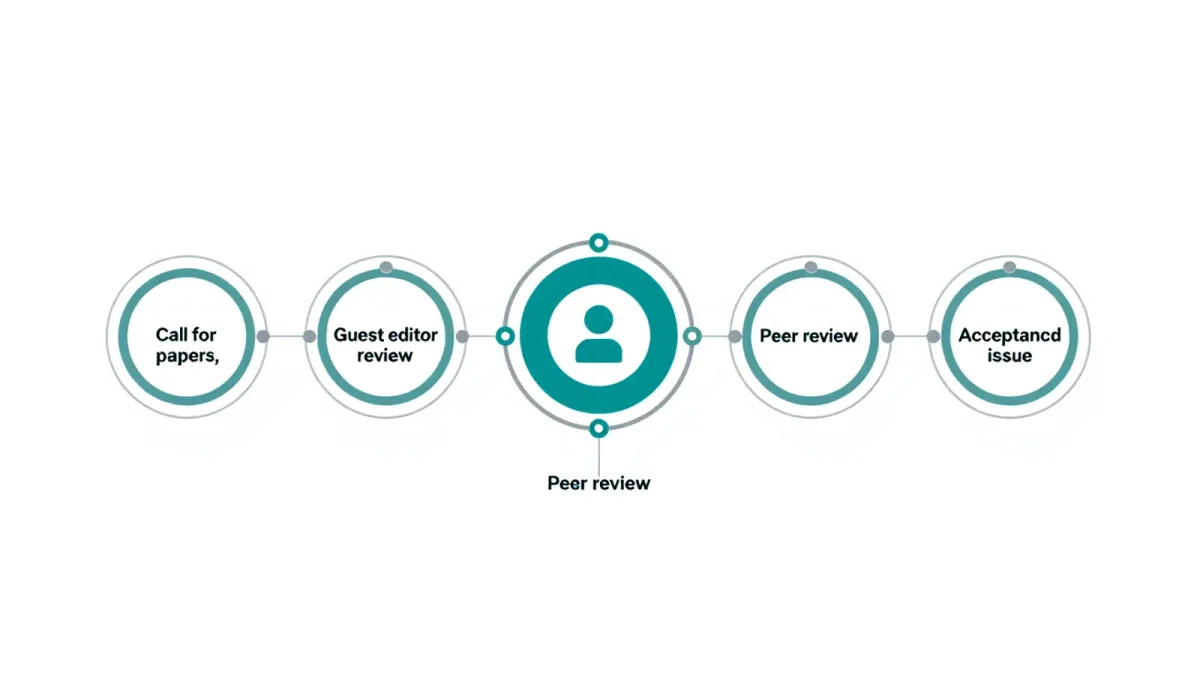
Nearly all do. The 2016-2017 shift was decisive: major publishers, including the Nature titles and Cell Press, formalized policies treating preprints as compatible prior publication. Ingressive journals have inverted the model entirely — eLife now posts every reviewed paper as a preprint with its assessment attached rather than issuing accept-reject verdicts, and Review Commons routes reviews to multiple journals from one preprint.
How does moderation work at the servers?
Posting is fast but not unfiltered. bioRxiv and medRxiv employ screening staff who check submissions for plagiarism, obvious ethical problems, human-subjects consent, and statements about competing interests, and who can decline papers outside scope — a process measured in days, not the months of peer review. arXiv relies on endorsements, in which an established author in a subject area vouches for a newcomer, a lightweight trust system that has held for decades. None of these screens evaluates whether the science is right, which is the point: servers deliberately positioned themselves as intermediaries, not arbiters. The policy frontier is content that raises risks beyond scientific validity, such as dual-use biology or model capabilities work, where several servers now consult external advisors before posting, a practice that grew after 2023 and remains under active debate among the scientists who run the infrastructure.
What did preprints change about citation practice?
More than early-career researchers expected. Preprints accumulate citations in their own right, and bibliometric studies through 2024 found that a substantial share of preprinted papers are cited in both versions, doubling credit in some indices while splitting it across records in others. Journals adapted by instructing authors to cite the version of record where one exists, and citation databases now link preprint and journal versions so the two records merge in aggregate counts. The subtler change is temporal: preprint citations let researchers see a paper's reception months before the journal version appears, and corrections or critiques posted in response can arrive while the manuscript is still being revised. Whether that faster feedback improves final papers is the question the format's defenders cite most, and the one with the least direct evidence so far.
What are the open problems?
Version control is the quiet one: multiple preprint versions plus a journal PDF create a citation maze that metadata standards such as Crossref's linking only partially solve. Misreadings by the press remain the loud one — preprints are journalism-bait precisely because they are new and dated. And moderation raises policy questions servers are still answering, including how to handle papers from sanctioned institutions, on problematic ethics, or generating security concerns in AI and virology. The measurable question going forward is whether preprint-first publication, with its timestamps and open review trails, produces better-corrected literature than journal-first did — early analyses suggest corrections arrive faster, while nothing yet shows they arrive more often.