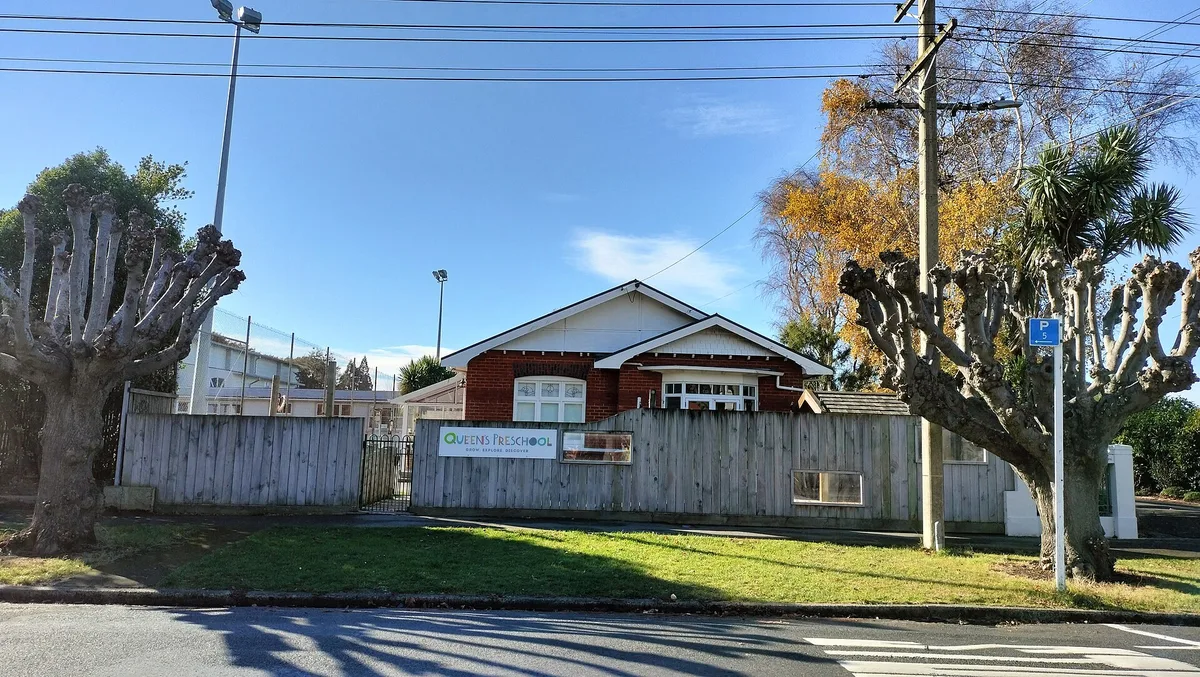
Free tuition changes what a family can do, but it does not make choosing a preschool simple. That is the central finding of a new study of Preschool for All, Multnomah County's universal preschool program, published in the journal Early Education and Development in August 2026. According to Multnomah County, researchers interviewed 71 families during the 2023–24 school year, the program's second year, and found that families rarely pick a preschool on a single factor. They trade priorities against each other.
The study, titled “Family Perspectives of the Initial Implementation Phase of a Universal Preschool Program,” grew out of a research-practice partnership between Preschool for All and Boston University's Center on the Ecology of Early Development. The team included CEED scholars N. Dede A. Addy, Melissa Lucas, Kyle DeMeo Cook, and Stephanie M. Curenton, Portland State University researcher Desiree’ DuBoise, and Preschool & Early Learning Division staff Janice Cole and Xia Zhang. The county describes it as part of a deliberate design choice: the program grows gradually toward universal access, so it can learn from families along the way.
For readers following education news, the interesting part is not that families want good preschools. It is the method. Most preschool-choice research analyzes large datasets to find patterns, such as whether families with certain characteristics choose certain program types. This study instead asked families directly what mattered, why they chose Preschool for All, and what happened after their children enrolled. The county argues that this qualitative approach captures the why behind the patterns, including the trade-offs families make.
What did families weigh when choosing a preschool?
Three factors dominated: location, affordability, and opportunities for children to socialize and build social-emotional skills. For most families in the study, location was the single most important factor. But “location” meant more than the closest building. Families considered proximity to work, access to public transportation, and the schools their older children attended.
Affordability shaped options in ways the free program was built to address. Some families said they could not have afforded preschool without Preschool for All. Others described a squeeze the county's summary puts plainly: even at higher income levels, families struggled with cost, or earned too much to qualify for other publicly funded options.
The third factor was experiential. Many families wanted their children to make friends, spend time with other children, and build the social and emotional skills that prepare them for kindergarten.
Why does compromise matter for a universal program?
The study's most pointed finding, per the county's summary, is that families rarely decide on one thing. They weighed school hours, bilingual options, diversity, the physical environment, and their children's individual needs. A family might strongly value dual-language education, for example, yet choose a different preschool because its outdoor space or classroom environment felt like a better fit.
Choosing a preschool, in other words, is a balancing act. Families are not ranking their favorite program. They are working out which combination of location, cost, schedule, environment, and opportunity will actually function from Monday through Friday. The county draws the policy implication directly: a universal preschool system needs different kinds of options in different communities, because what works for one family may not work at all for another. This connects to our earlier piece, How Double-Blind Peer Review Actually Works, and Where It Fails.
What happened after children enrolled?
Overall, families spoke positively about their Preschool for All experiences. They cited the financial relief of free preschool, strong relationships and communication with educators, and opportunities for children to learn and build peer relationships. Parents also valued how programs responded to individual needs, including support with toilet training, language preferences, developmental differences, and disabilities. Families of children receiving early intervention services described educators and specialists working together to make preschool succeed for their children.
The county connects these accounts to priorities built into Preschool for All from the start: making preschool more affordable and available while supporting learning environments that respond to individual children. The study's lessons, the county notes, are also aimed outward, at other communities working to expand preschool access.
How strong is this evidence?
The sample is 71 families in one county, in one program year, and the reporting here comes from the county's own summary of the work; the underlying paper appeared in Early Education and Development. Qualitative interviews of this kind are good at explaining how families reason and where they compromise. They are not designed to measure outcomes for children, and the county's summary does not claim they do. What the study establishes is a documented account of family decision-making during a universal program's early phase, gathered by a named research team and published in a peer-reviewed venue. Whether the same trade-offs hold elsewhere, and at later stages of the program's growth, remains an open question the gradual rollout is positioned to answer. For related coverage, see Special Issues: How Guest-Edited Volumes Work, and How They Get Hijacked.