Research
How to Read a Preprint: Evaluating Research Before Peer Review
A preprint can carry real evidence or real errors. Here is what to check before you trust either.
By Victor Petrov • September 8, 2026
Research reports findings with their methods and limits attached: what a study shows, in whom it was measured, and what remains open.
A preprint can carry real evidence or real errors. Here is what to check before you trust either.
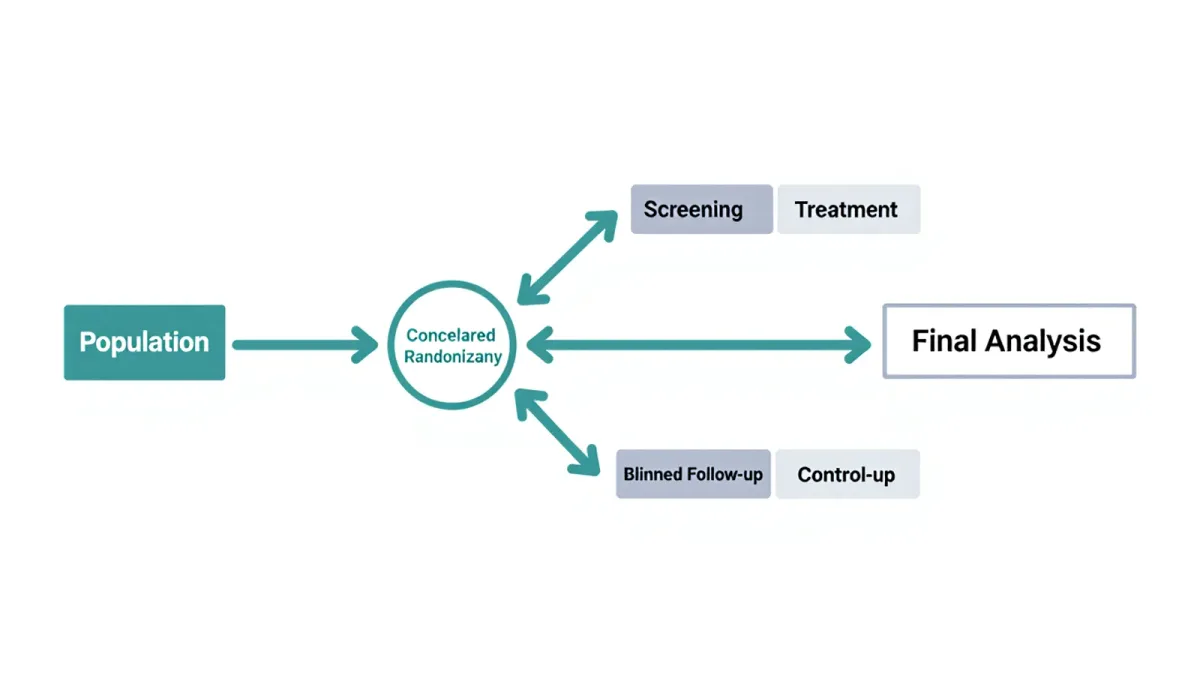
A randomized, double-blind, placebo-controlled trial sounds like jargon — but each word names a specific leak that the design is engineered to plug.

Statistical significance asks whether an effect exists; effect size asks whether it matters — and the two questions have different answers more often than headlines admit.

Roughly 90 percent of drugs that enter human clinical trials fail, and much of the gap is built into how preclinical animal research is done.
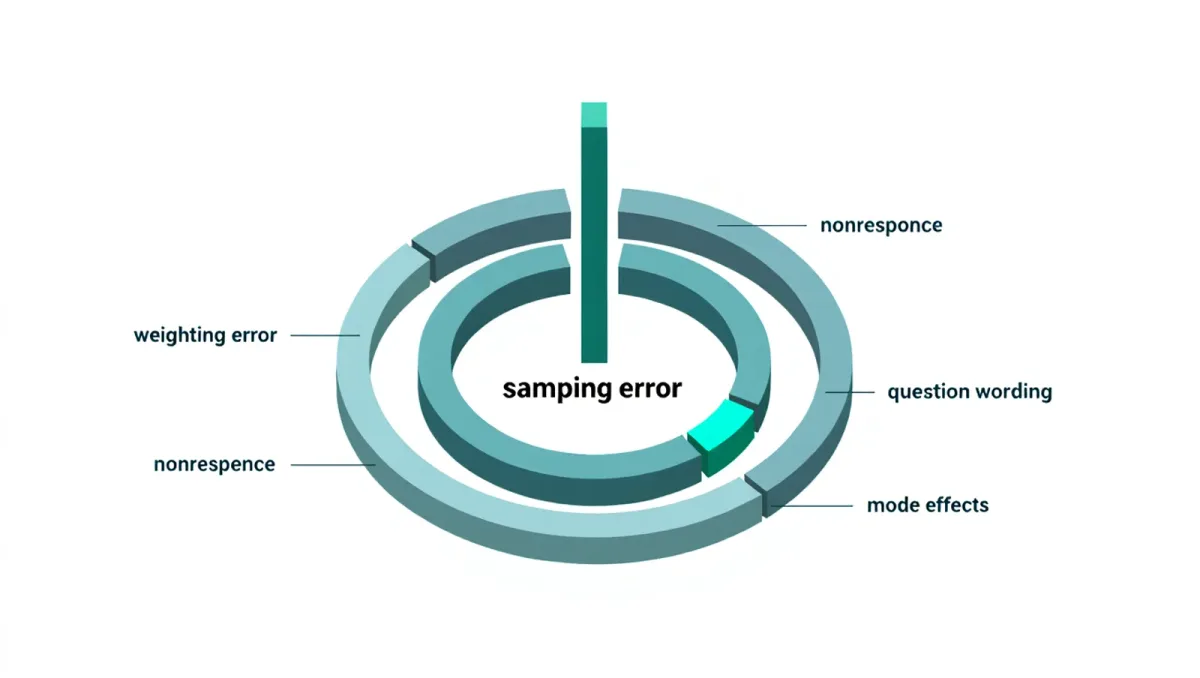
Sampling error is the only uncertainty a poll's +/- number covers; weighting, mode and nonresponse often move results further than the formula suggests.
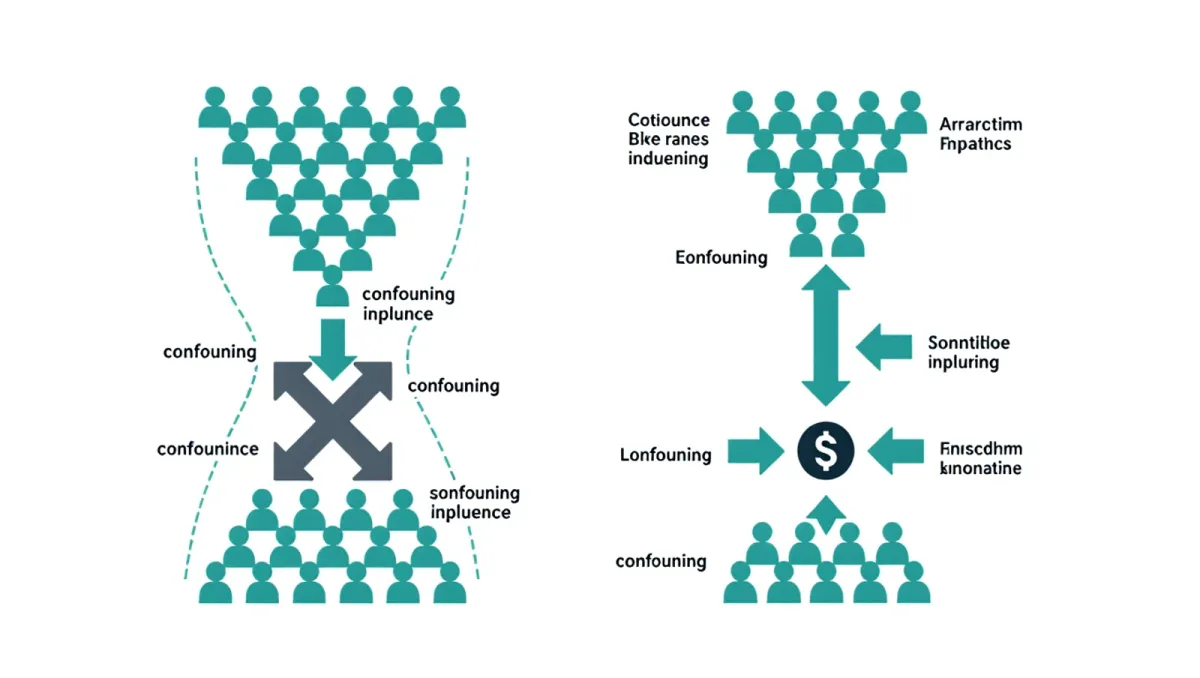
Observational studies and randomized trials answer different questions, and the most famous reversal in nutrition research shows exactly why.

A study too small to detect the effect it hunts will usually miss it, and when it does not, the effect it reports is inflated.

When 270 psychologists tried to repeat 100 famous studies, most effects shrank or vanished — and psychology rebuilt its methods from the wreckage.
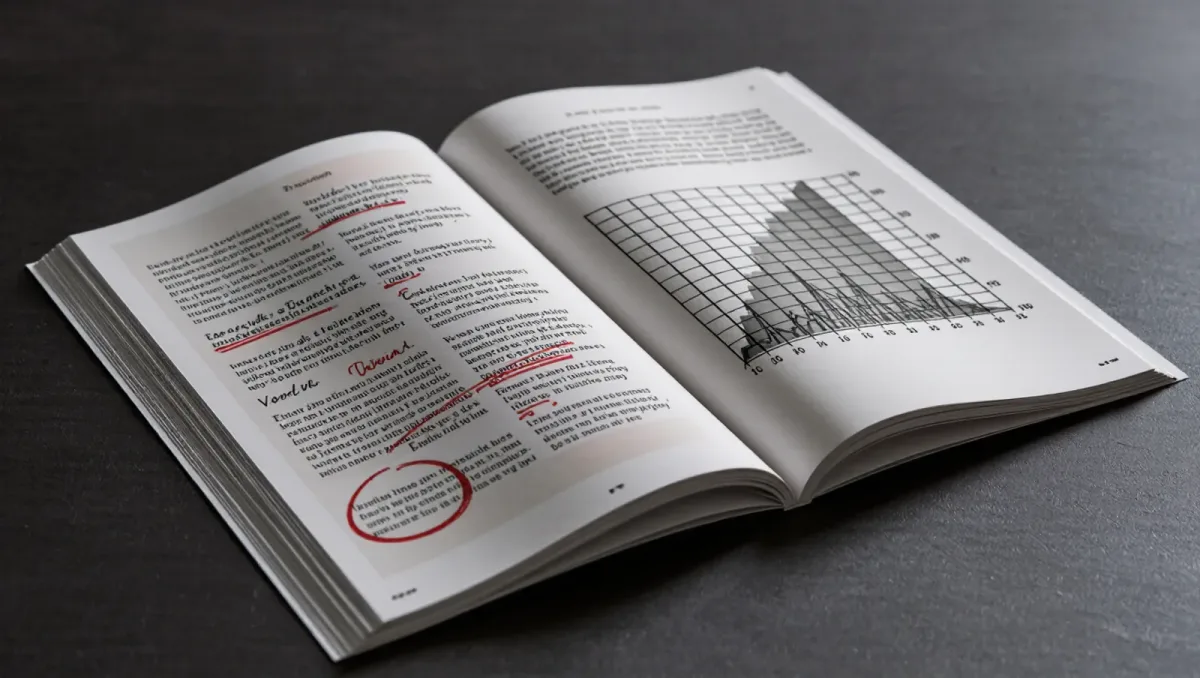
Most biomedical and physics research now appears online before peer review, so readers need a working rule for how much weight a preprint can carry.
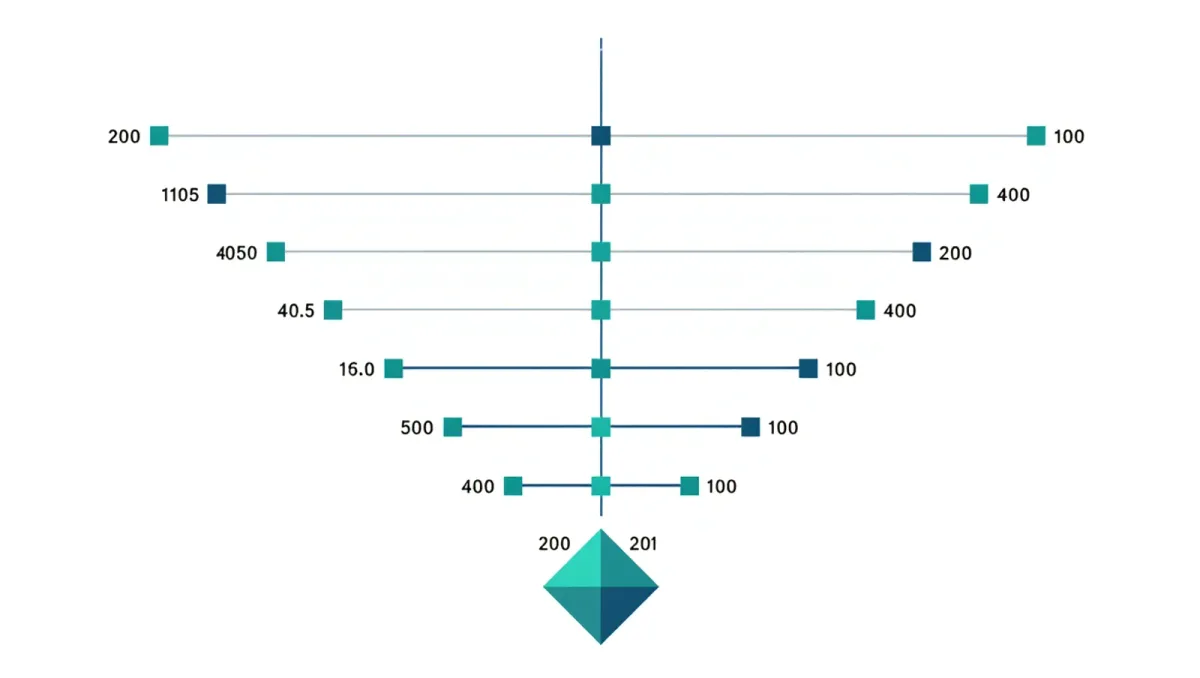
Forest plots and pooled estimates look authoritative, but the strength of a meta-analysis depends on choices made long before the statistics run.