Sample size is one of the most misunderstood ideas in research. Bigger sounds better, so small studies get dismissed as weak or useless. That view misses the point. A study does not need to be huge to be honest. It needs to be the right size for its question.
This guide explains what sample size means, how researchers choose it, and why a small study can still teach us a lot.
What sample size actually means
Sample size is the number of observations or people a study includes. Researchers use samples because they cannot study everyone. Wikipedia describes sample size determination as the act of choosing how many observations to include when you want to make claims about a whole population.
The sample stands in for the group. Everything else in the design flows from that choice: how precise the estimates will be, how strong the tests can be, and what the study can honestly claim.
A helpful picture is tasting soup. One spoonful can tell you a lot if the pot is well stirred. A spoonful from an unstirred pot tells you about that spot only. Good sampling is the stirring: it lets a small portion stand in fairly for the whole.
The role of statistical power
Power is the chance that a study will detect a real effect when one exists. In frequentist statistics, power depends on the test used, the sample size, and the size of the effect being hunted, as Wikipedia's statistics overview explains.
Small effects are shy. They hide behind random noise, and only studies with enough power can spot them. Large effects are bold. Even a small study can catch them. This is the key fact most critics miss. A small study hunting a big, obvious effect can be perfectly sound.
How researchers pick a number
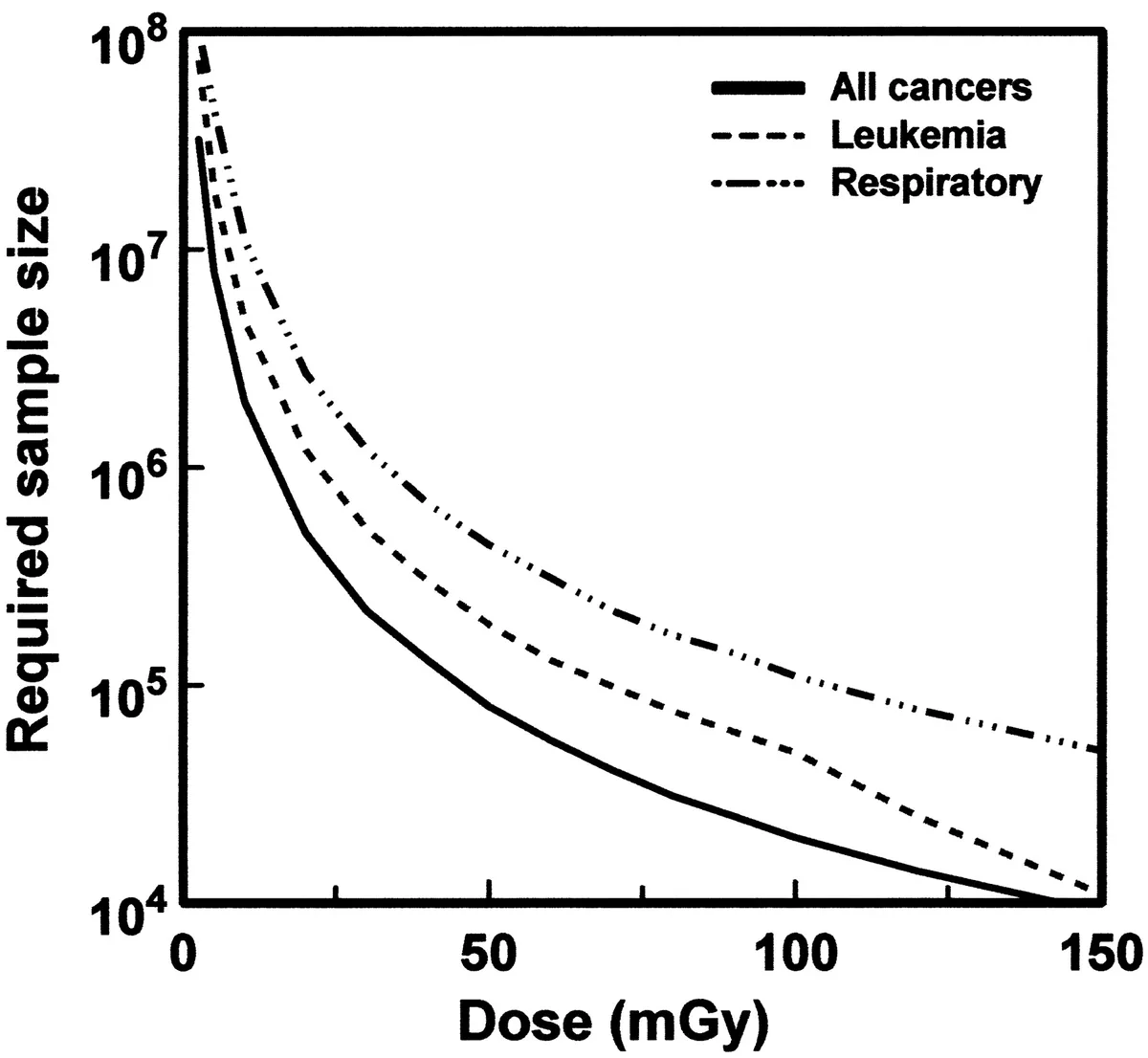
Researchers weigh several factors. Wikipedia's guide lists experience, target precision, power goals, and the required confidence level. More precision demands more data. Higher confidence demands more data. Smaller expected effects demand more data too.
In practice, cost, time, and convenience also shape the final choice. Every study is a trade between what is ideal and what is possible.
Variability matters too. If people differ a lot on the thing being measured, more data is needed to see a clear pattern. If everyone responds in a similar way, fewer data points can go far. This is one reason pilot studies help: they hint at the spread before the main work begins. We covered a connected angle in Meta-analyses Promise One Answer From Many Studies. Here's How They Try..
Why small studies still matter
Small studies do three useful jobs. First, they pilot new ideas. A quick, cheap study can show whether a big trial is worth funding. Second, they suit rare or hard-to-reach groups, where large samples are simply not available. Third, they can detect strong effects, as noted above.
Wikipedia's guide gives a simple case: checking 200 fish is better than 100 for estimating infection in a species. The lesson is not "always go big." It is that size should match the goal. Small studies also feed reviews, where many small results are pooled and weighed together.
How to judge a study's size
Do not ask whether a study is small. Ask these questions instead. Was the size chosen before the data came in, or after? Does the paper report a power or precision plan? Are the claims modest enough to match the sample?
A small study that claims small things can be excellent science. A huge study that overclaims is not.
Conclusion
Sample size is a design choice, not a status symbol. Power, precision, and effect size decide what a study can show. Small studies pilot ideas, reach rare groups, and catch bold effects. Big studies refine estimates and settle debates. Judge each study by whether its size fits its question. Do that, and you will read research with sharper eyes than most. For related coverage, see How to Choose the Right Research Method for Your Question.