How to Choose the Right Research Method for Your Question
The design decides what your study can say. Match the method to the question, not the other way round.
By Samuel Achebe • September 20, 2026
The design decides what your study can say. Match the method to the question, not the other way round.

Tenure is a review process and a dismissal standard, not a lifetime job guarantee. Here is what the system does — and the limits its own rules build in.
A capture–recapture analysis doubles the accepted lifespan estimate. The case is interesting, and weaker than the headline suggests.
A preprint can carry real evidence or real errors. Here is what to check before you trust either.
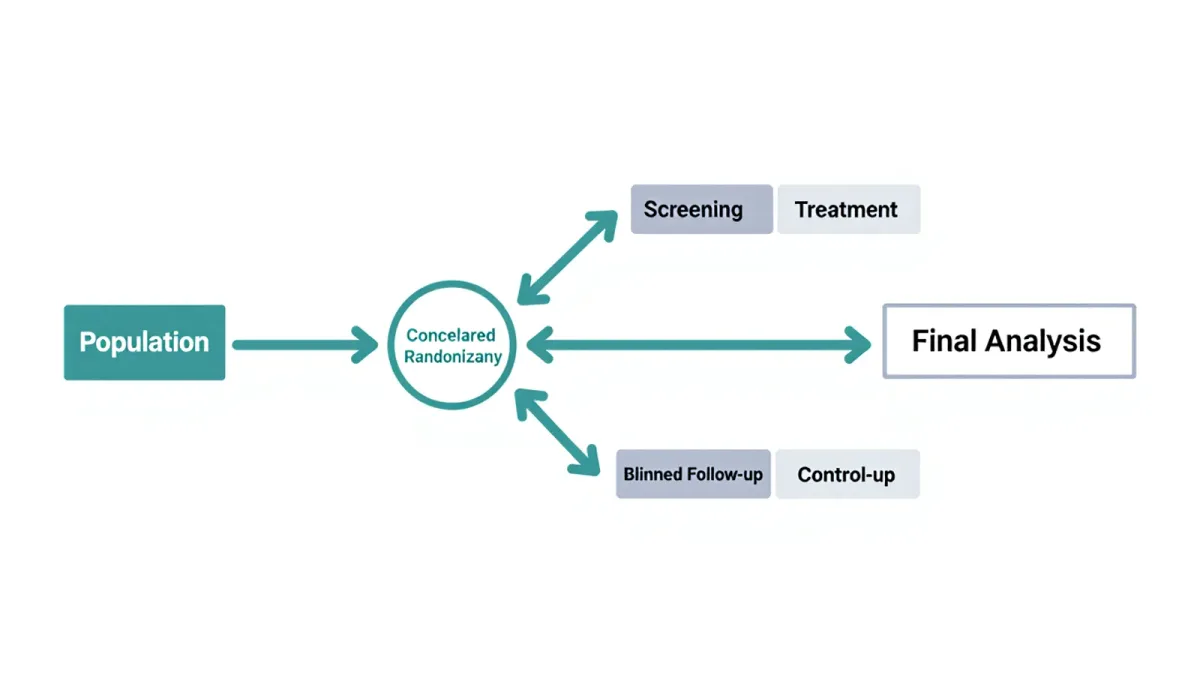
A randomized, double-blind, placebo-controlled trial sounds like jargon — but each word names a specific leak that the design is engineered to plug.

Statistical significance asks whether an effect exists; effect size asks whether it matters — and the two questions have different answers more often than headlines admit.
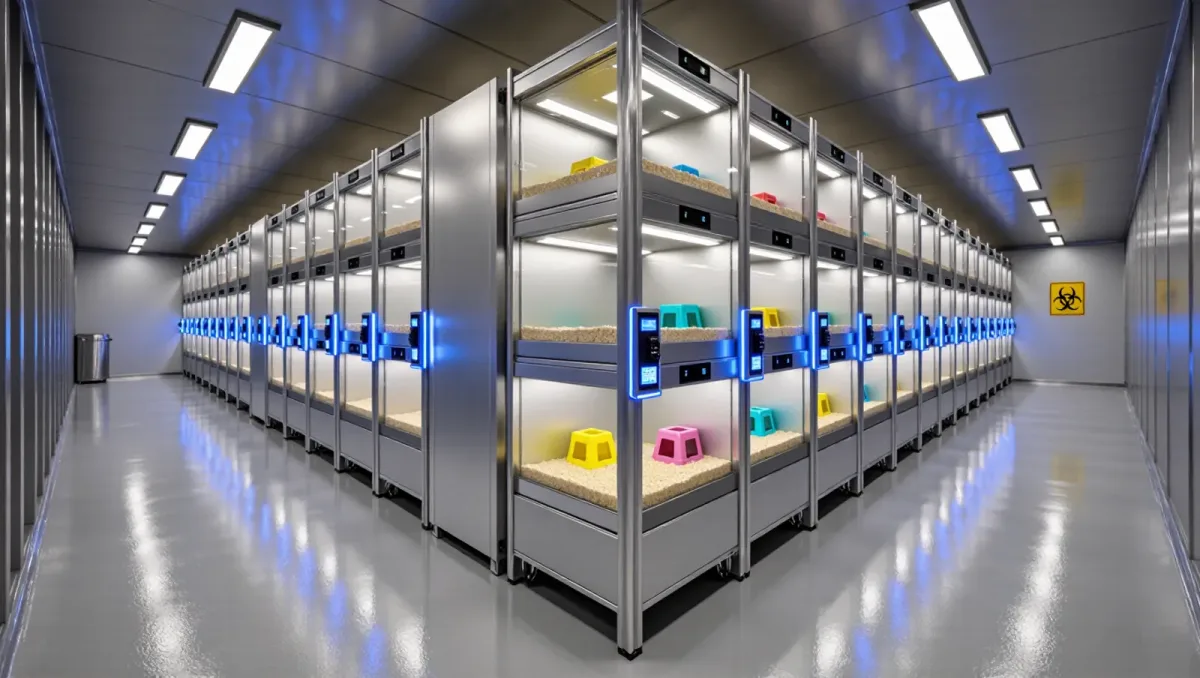
Roughly 90 percent of drugs that enter human clinical trials fail, and much of the gap is built into how preclinical animal research is done.
Sampling error is the only uncertainty a poll's +/- number covers; weighting, mode and nonresponse often move results further than the formula suggests.
A final rule published July 17, 2026 ends the open-ended admission period for foreign students, requiring formal extensions of stay for programs that run longer.
A July 16, 2026 study reports helium escaping from LHS 1140 b — the first atmospheric detection on a rocky world orbiting in its star's habitable zone, read through the planet's extended gas halo.
Guest-edited special issues concentrate a journal's authority in one scholar's network — which makes them efficient science and efficient fraud when the wrong guest editor arrives.
A PhD student's funding, authorship, timeline and references all route through a single person — and the system's numbers show why that concentration matters.
Between January 2023 state bans and a 2025 federal campaign, diversity offices closed and job titles changed — the concrete shifts, and what the lawsuits left open.
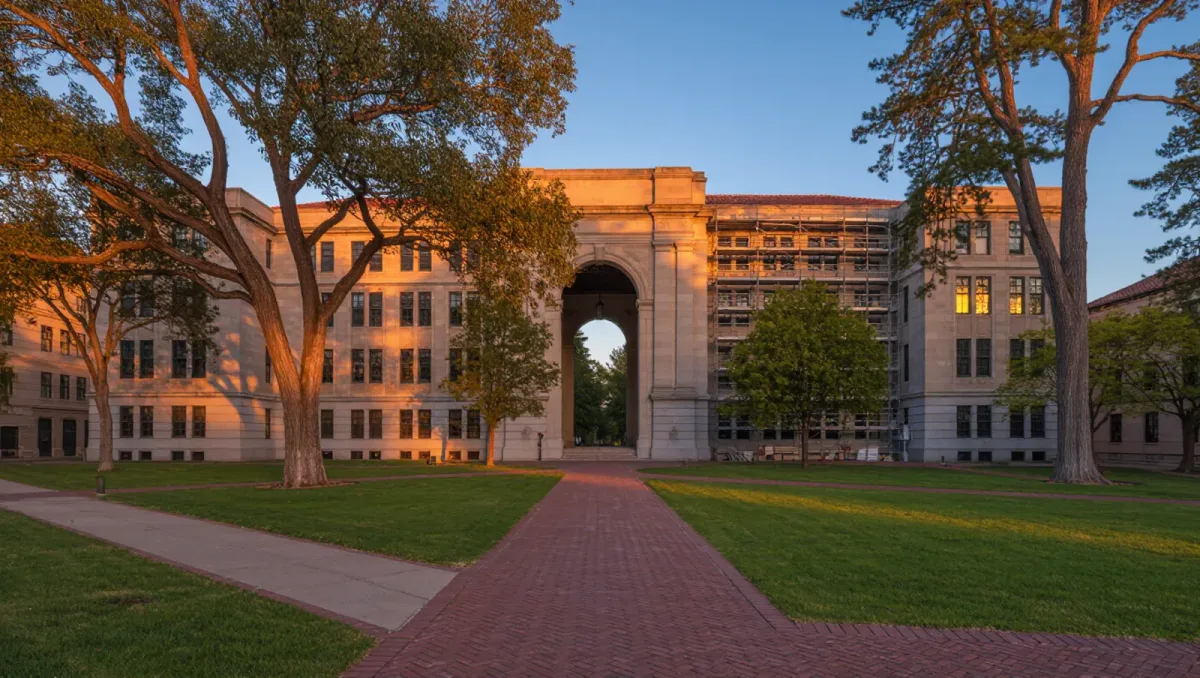
Endowments are thousands of restricted pots earning investment returns, and the payout rules that govern them explain the strangest number in higher education.

The annual meeting is where academic careers are made — and its registration fees plus travel costs quietly ration who gets to be there.
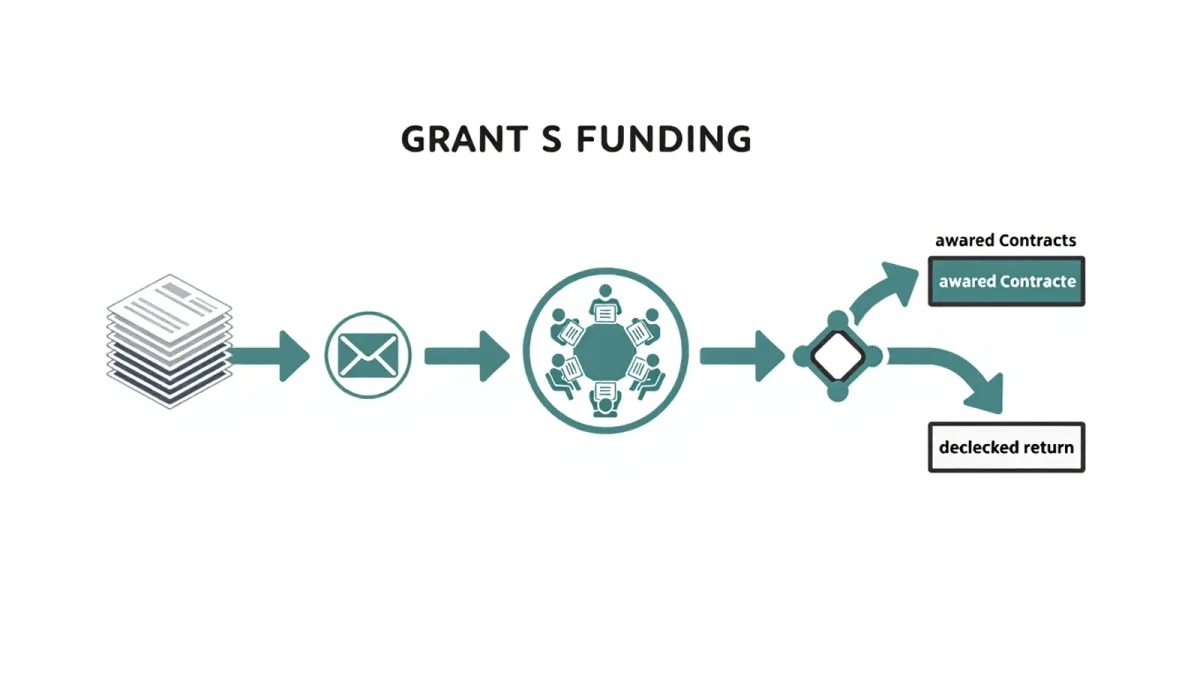
NSF funds roughly one in five proposals through a review system built on two criteria, rotating panels and a program officer who manages the match.

Most major publishers permit large language models to polish a reviewer's prose but forbid feeding confidential manuscripts into chatbots — and detection of secret AI use remains unreliable.

More than 10,000 papers were retracted in 2023 alone, a record year, yet the median case still takes months or years to move from suspicion to formal withdrawal.
arXiv passed 2.5 million papers, bioRxiv and medRxiv add tens of thousands more each quarter, and journal review now trails public exposure by months.
The San Francisco Declaration now carries more than 25,000 signatures, and the EU-backed COARA coalition has made metric reform official policy across European research.

Per the discovery team's July 1, 2026 announcement, the exoplanet hunter designed to watch transits caught a completely different signal: a star's gravity briefly magnifying a distant star behind it.
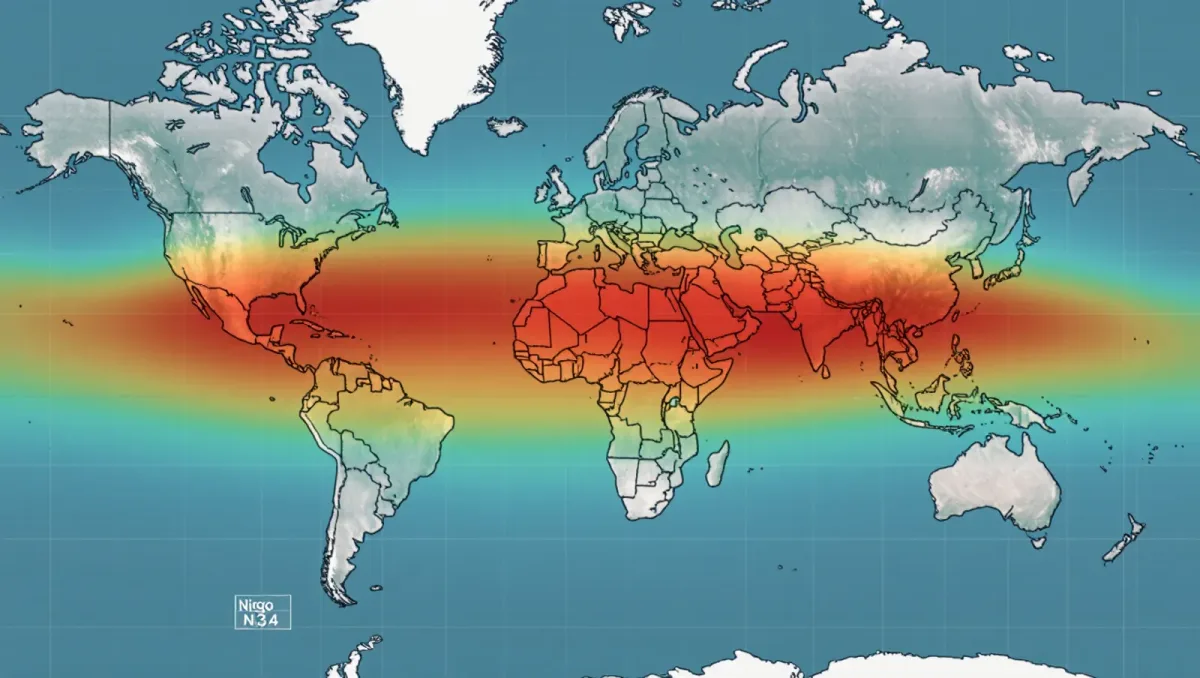
The agency's June 11, 2026 advisory confirmed El Niño onset in the tropical Pacific and put the chance of a historically strong event at 63 percent, with global temperature consequences to follow.
A study published May 27, 2026 describes a 'superwicking' solar desalination surface that moves water uphill by capillarity and crystallizes salt in place instead of dumping concentrated brine.
A study published May 6, 2026 reports that Chandrayaan-2 radar detected water-ice signatures inside permanently shadowed craters at the lunar south pole.

A final rule the Education Department issued on May 1, 2026, plus statutory changes that took effect in July, rewired repayment plans, the autopay discount and the SAVE wind-down.
The National Student Clearinghouse's final spring count shows undergraduate growth continuing while graduate enrollment levels off, per its report released in early June 2026.
A year after the government moved to strip Harvard's ability to enroll international students, courts blocked the revocation and the litigation continues to define the stakes for roughly 1.1 million foreign students.
Full-time non-tenure-track professors at NYU walked off the job on March 23, 2026 and returned with a tentative deal on March 25, the latest sign of organizing power among contingent faculty.