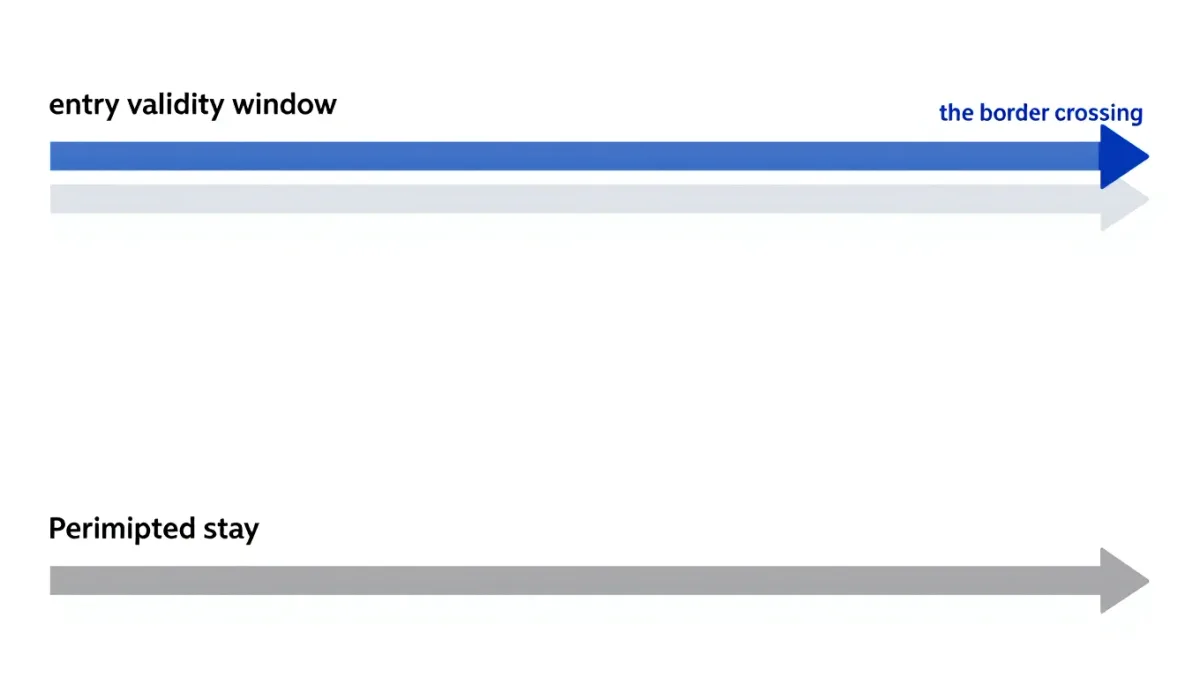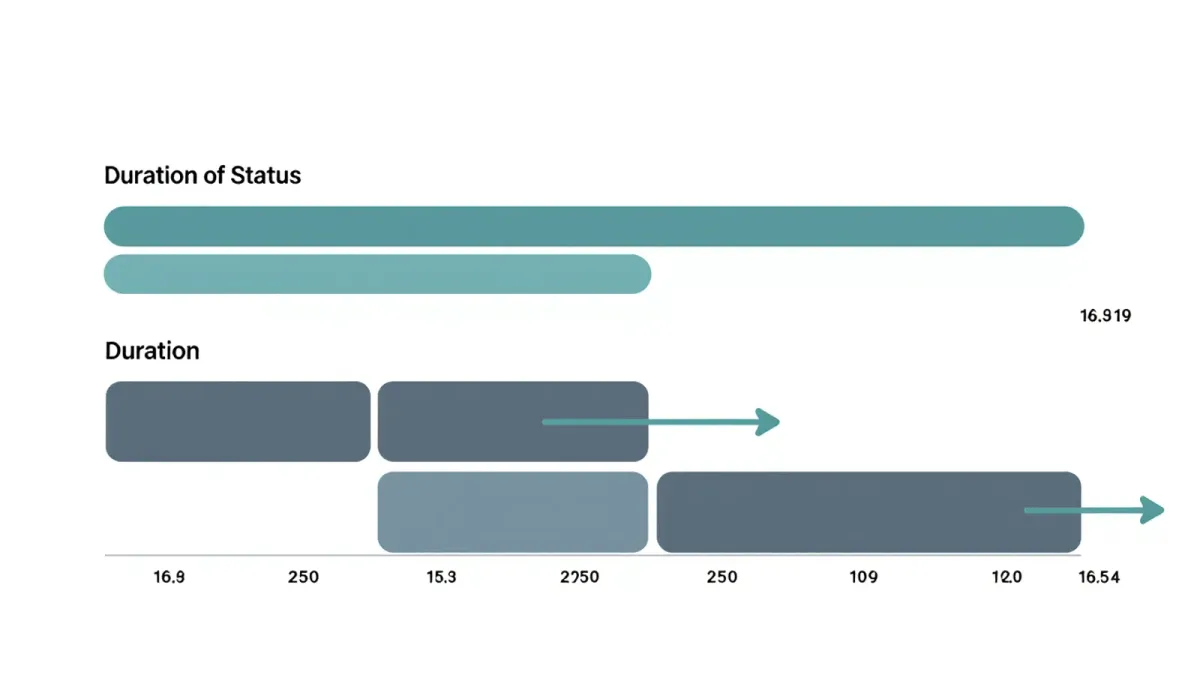
The Department of Homeland Security published a final rule on July 17, 2026 establishing a fixed period of admission and an extension-of-stay procedure for F nonimmigrant students, replacing the long-standing duration-of-status framework, per U.S. Immigration and Customs Enforcement. Under duration of status, an F-1 student's lawful stay lasted as long as they remained enrolled and compliant; under the new rule, admission runs for a set period tied to the program, and students in longer programs must apply to extend.
Per reporting in the Harvard Crimson on July 23, 2026, the university's international office stated the rule has no immediate effect on current students' visas or their ability to begin fall 2026 programs, while warning that its longer-term impact will be significant. This site publishes information, not legal advice; students should rely on their designated school officials for case-specific guidance.
Why end duration of status?
The change had been in motion since a 2020 proposal that courts vacated on procedural grounds. DHS has argued that duration of status makes stays effectively unbounded and hard to police, and that fixed admission periods align student visas with most other visa categories, which carry dates. Universities countered that program timelines shift for legitimate academic reasons, and that extension processing times become a risk multiplier when a student's legal status depends on an application in a queue.
What changes in practice?
Three operational shifts follow. Students' I-94 admission records will carry concrete end dates, making timely extension filings part of routine academic administration for every school rather than an edge case. Schools' DSO offices take on heavier advising loads around program timelines. And students in research-heavy degrees, where completion dates slip most often, face the largest new paperwork exposure.
What would change the picture?
Watch two numbers: the processing time for extension-of-stay applications once volume arrives, and international enrollment at US universities in the 2026-27 cycle, the first admissions season conducted entirely under the fixed-term framework. If extensions process quickly, the rule lands as administrative plumbing; if queues form, the stories will come from students who did everything right and still fell out of lawful status anyway.