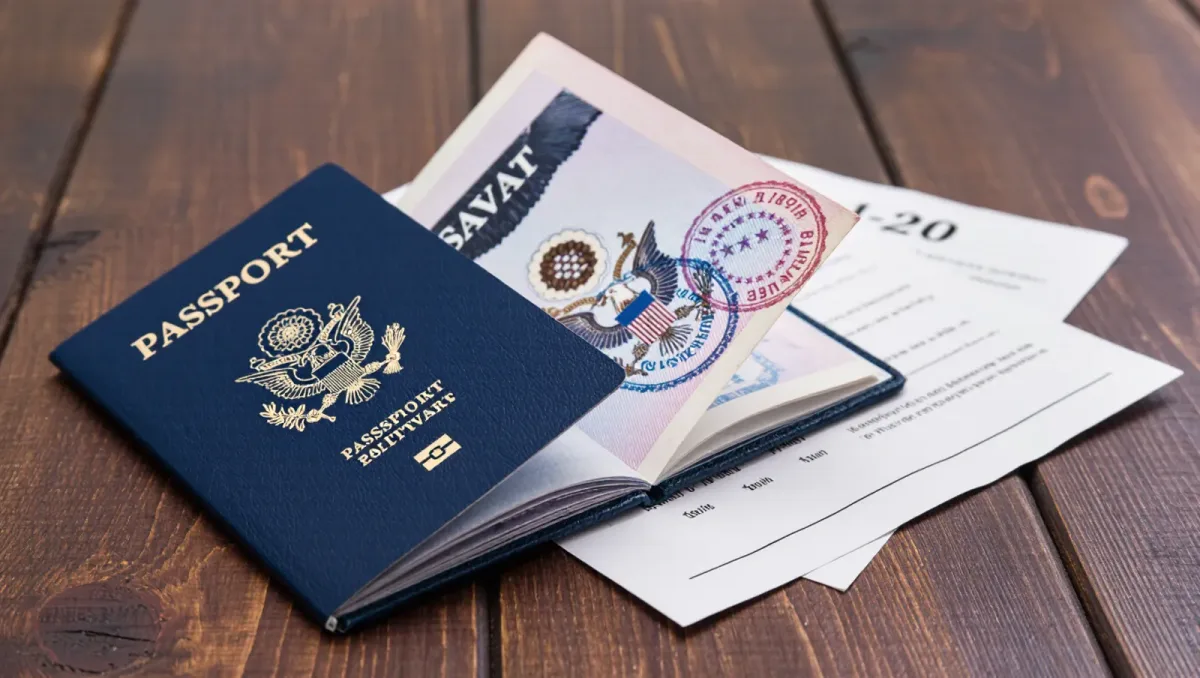
In May 2025 the Department of Homeland Security moved to revoke Harvard University's SEVP certification, the federal designation that allows the school to enroll international students on F-1 visas, per court filings and Harvard's own communications. A federal judge in Boston quickly issued a temporary restraining order blocking the revocation, and on June 4, 2025 a presidential proclamation added entry bars for students on F, M and J visas from certain countries. Harvard's legal challenge to those actions remains ongoing as of spring 2026, per Harvard's international office guidance.
About a quarter of Harvard's student body is international, and nationally more than one million foreign students enroll in US colleges each year, which is why a single university's certification fight became a referendum on the whole system. This site publishes information, not legal advice; students with visa questions should consult their school's international office.
What is SEVP certification and why does it matter?
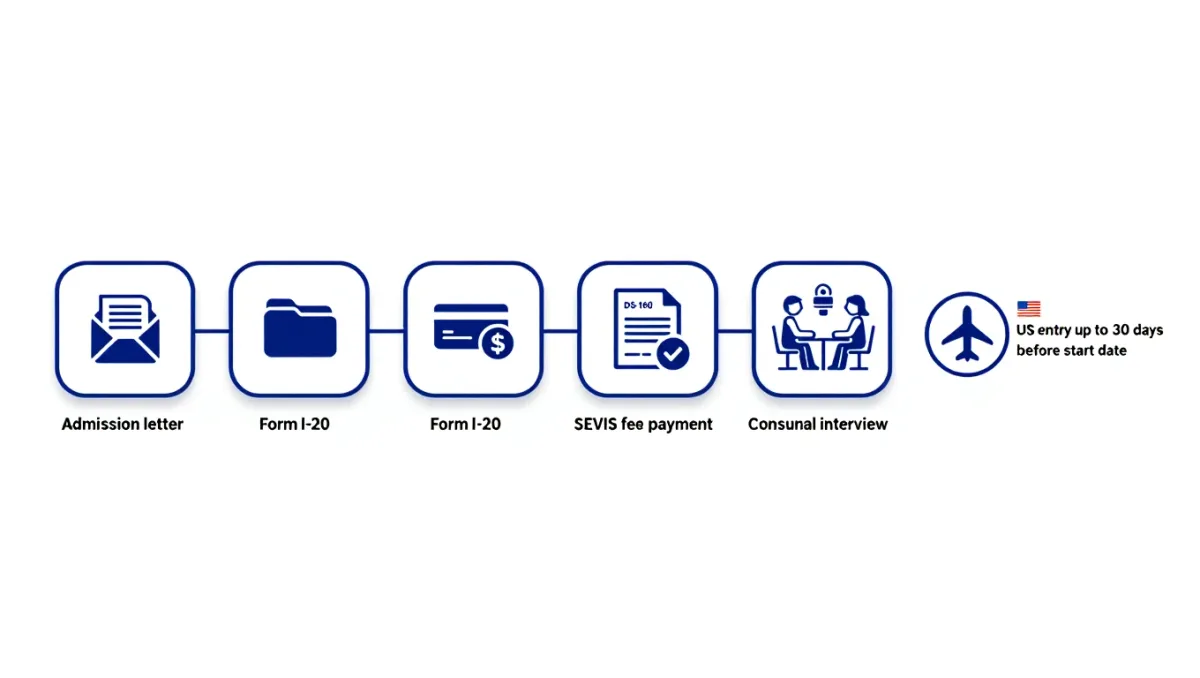
The Student and Exchange Visitor Program is the registry through which schools sponsor foreign students. Without certification a university cannot issue the I-20 forms that visa applications require, so revocation functions as an enrollment ban. The speed of the May 2025 revocation attempt, announced amid a dispute over Harvard's refusal of federal governance demands, is what courts seized on when it blocked the move.
Where does the litigation stand?
The TRO froze the immediate harm, but the underlying case over whether the government can condition or revoke certification this way has continued through district court proceedings. Per Harvard's HIO, students have been advised to review travel plans carefully, because individual visas can still be affected even while the university-level injunction holds.
What would change the picture?
Two things: a merits ruling on the revocation power itself, and separate federal rulemaking on student visa duration, which moves through its own regulatory process later in 2026, separately from the lawsuit. The number to track is international enrollment: if fall 2026 application and enrollment data from large research universities show declines beyond the post-pandemic trend, the chilling effect that critics predicted will show up in data rather than in headlines.