
Topic
How to Track Education Policy Without Getting Overwhelmed
Federal indicators, specialist outlets and primary documents cover education policy in layers. A short reading routine keeps the stream calm and the claims checked.
Federal indicators, specialist outlets and primary documents cover education policy in layers. A short reading routine keeps the stream calm and the claims checked.

Citation graph tools map a research field from seed papers. A 2023 library review documents how Research Rabbit works, what it costs, and where its ranking engine stays opaque.

A guided teardown of the parts of a research paper, from abstract to reference list, and what each one is actually for.

Swapping near-identical words can change a scientific claim. Three named audits show how often causal language and hype words drift in abstracts, reviews, and journals.
A New York University team simulated weightlessness in a tabletop device. The genome barely noticed — which is the finding, and the caveat.

A thematic analysis of two decades of retail scholarship finds the field followed commerce — from store operations to social media — while staying scattered across four disciplines.
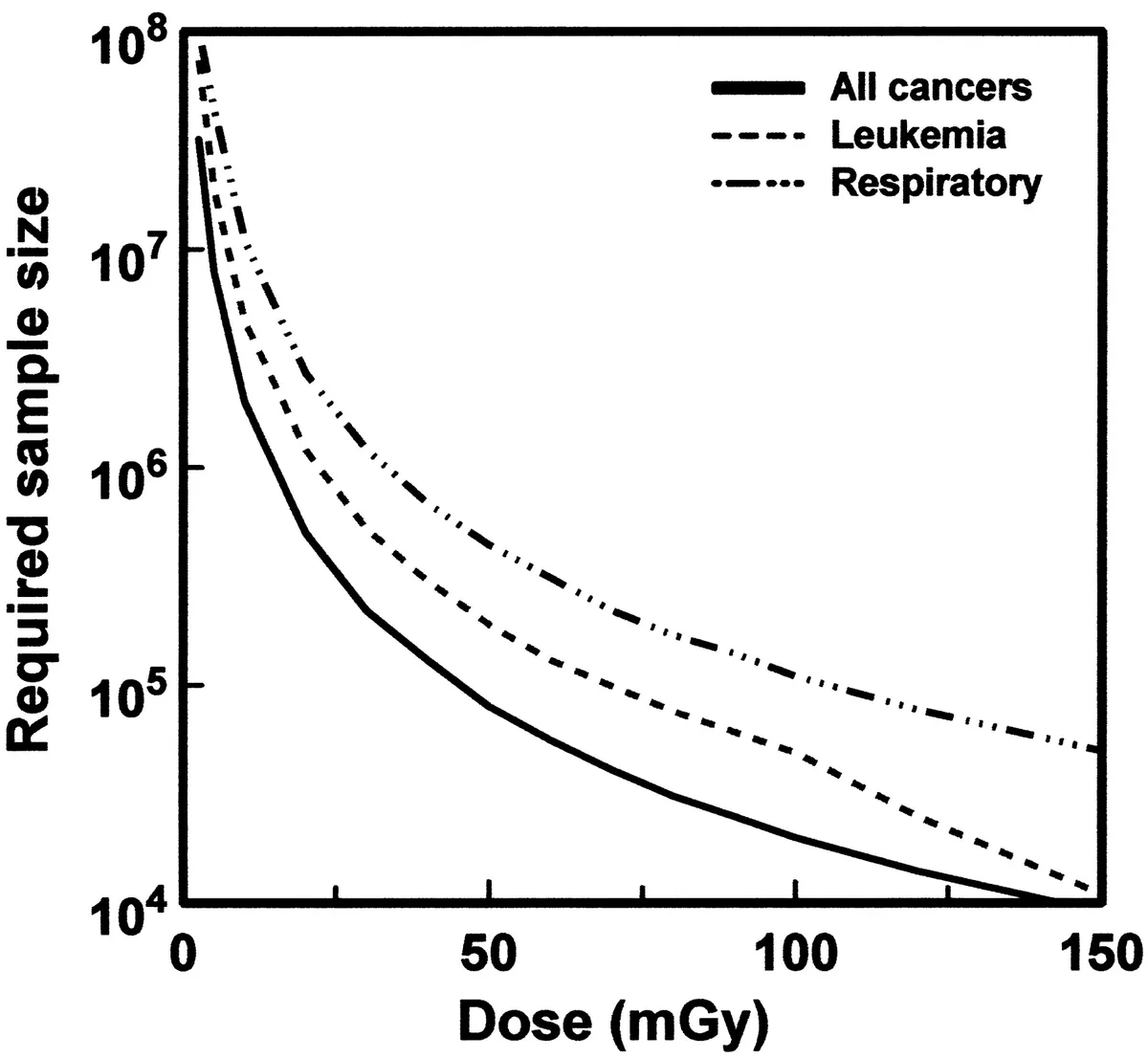
What sample size really means, how statistical power works, and why small studies can still be good science when the size fits the question.

ResearchGate and Academia.edu compared: who can join, who posts, and where real activity by researchers actually happens online.

A confidence interval is not a hedge and a model is not a prophecy. Here is how to read both without falling for false certainty.

Turning a dense journal article into something a twelve-year-old can finish is a craft with its own rules, and its own failure modes.