
Topic
Preprints, Embargoes, and the Race to Be First
Journal embargoes trade advance access for synchronized release times. Preprints make findings public early, and journals themselves accept preprint-posted work.
Journal embargoes trade advance access for synchronized release times. Preprints make findings public early, and journals themselves accept preprint-posted work.

Federal indicators, specialist outlets and primary documents cover education policy in layers. A short reading routine keeps the stream calm and the claims checked.

Cardiff University studies traced exaggerated advice and causal claims from press releases into news. A checklist for reading science headlines, grounded in named research.

Citation graph tools map a research field from seed papers. A 2023 library review documents how Research Rabbit works, what it costs, and where its ranking engine stays opaque.

A guided teardown of the parts of a research paper, from abstract to reference list, and what each one is actually for.

Texas and California run nearly opposite standards systems. State agency documents and a 2004 institute review describe both processes and the textbook market they create.

Why some reported stories outgrow their word counts, and what the publishing machinery asks of writers who make the jump.

A thematic analysis of two decades of retail scholarship finds the field followed commerce — from store operations to social media — while staying scattered across four disciplines.
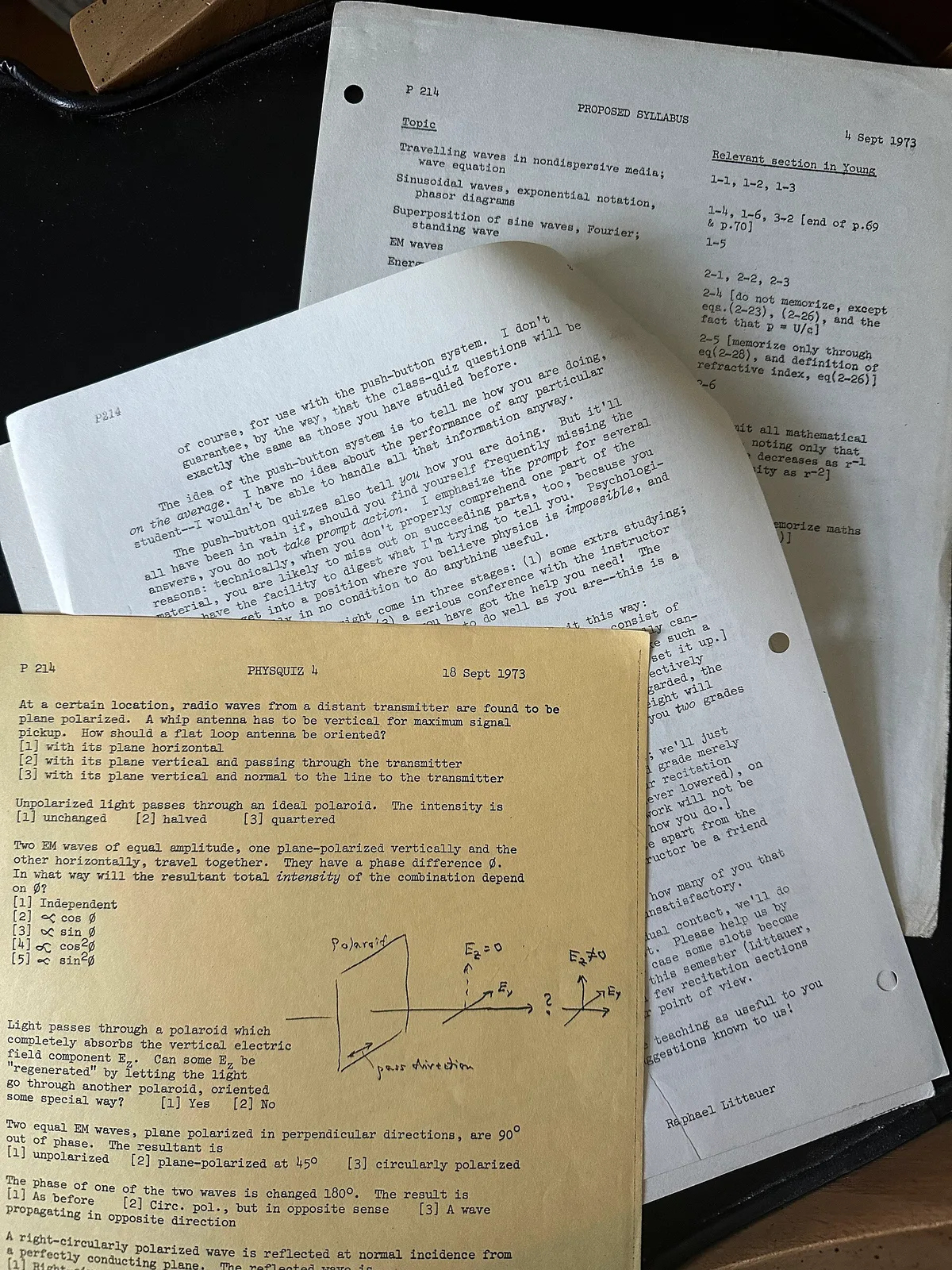
A researcher's way to read a syllabus: the contract idea, action-verb goals, and the fine print that predicts how a term really runs.
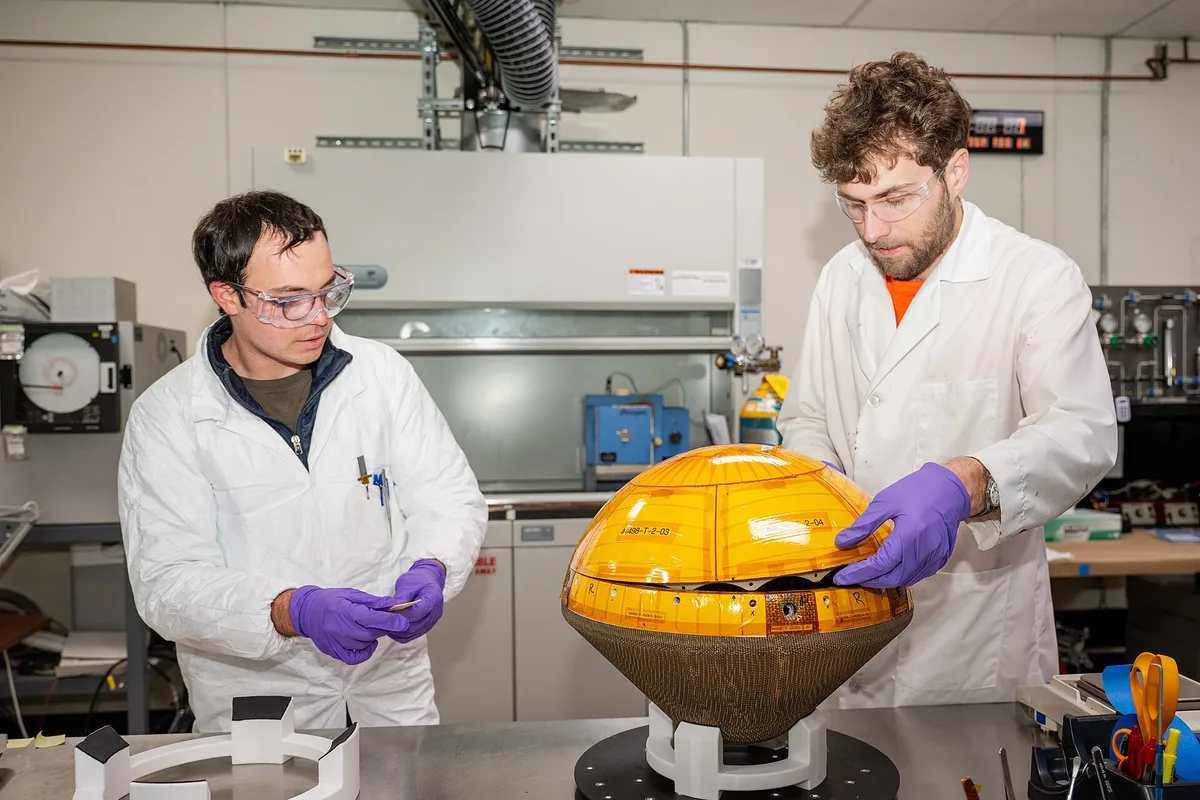
What the working day of an academic researcher actually looks like — and why so little of it looks like the laboratory of the movies.