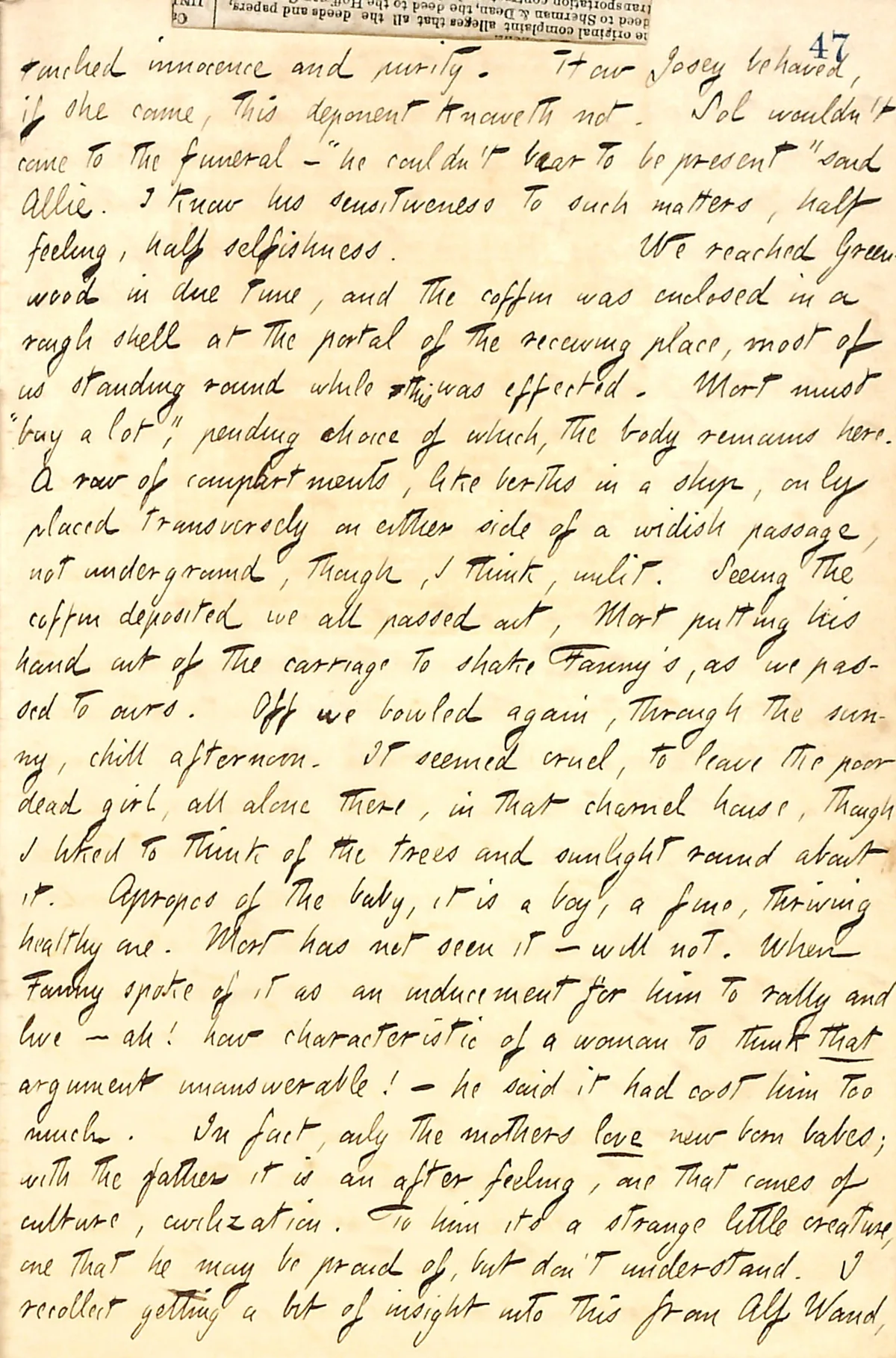
Some magazine stories refuse to end. A writer files four thousand words, and the reporting keeps going. Sources call back. New documents surface. The story, it turns out, was a door, not a room. That is the rough shape of one common route in nonfiction publishing: the feature that becomes a book.
This piece explains how that jump works and what it asks of the writer. The honest caveat first: the path is not a formula, and most features stay features. The ones that grow usually share a few traits, and those traits are worth naming. For related coverage, see TESS Found Its First Microlensing Planet — a Super-Jupiter 40,000 Light-Years Out.
The starting point is a distinction the publishing world has drawn for centuries. According to Wikipedia's entry on books, books are broadly classified into fiction and non-fiction, with non-fiction holding content intended as factual truth. The same source notes that books are often contrasted with periodical literature such as newspapers and magazines, which publish new editions on a regular schedule. A feature sits in that periodical world. A book leaves it.
That difference is not only about length. It is about schedule, and about who holds the pen when the story is finished.
What makes a feature book-worthy?
Three things tend to separate a feature that ends from a story that keeps growing. None of them is a word count.
- Surplus of reporting. The writer has more verified material than any single article can hold. Interviews, documents, timelines. The cut material has weight of its own.
- A question the article cannot close. The feature answers what happened. The book can ask why it happened, and what it says about a larger system.
- Room for structure. A book can hold multiple threads side by side. A feature usually has to pick one.
Writers and agents often describe this as a story with "legs," but the practical test is simpler. Could the writer report on this subject for another year without repeating himself? If yes, there may be a book. If the answer is a shrug, the feature was probably the whole story.
How does the publishing process actually work?
The move from feature to book runs through the book publishing process, which Wikipedia describes as the series of steps involved in a book's creation and dissemination, often undertaken by a commercial publishing company. In practice that means a proposal, an agent, an editor, a contract, and then the long work.
The proposal is the hinge. It is not the book. It is an argument that the book should exist: the story, the scope, the competition on the shelf, and an honest account of what reporting remains to be done. Editors read proposals the way careful readers read a methods section first. Claims that outrun the evidence get caught there, which is the point.
Then comes the contract, and with it a deadline measured in years, not weeks. A feature writer may spend months on a single long piece. A reported book typically asks for several years of reporting and drafting. That change of pace surprises people. The byline looks the same. The work does not. We covered a connected angle in Stuck at the Same Weights? What the New ACSM Guidance Says to Change.
What changes when the schedule disappears?
A magazine runs on a cycle. The piece is due, the piece is edited, the piece is published, and the writer moves on. A book has no such cycle. Wikipedia's account of the publishing industry notes recent major changes from new technologies, including ebooks and audiobooks, which have widened how books reach readers. But the core rhythm of a reported book remains slow.
That slowness cuts both ways. It allows depth a feature cannot afford. It also removes the deadline discipline that forces a writer to stop reporting and start writing. Many first-time book authors report the same experience: the reporting never feels finished. The craft skill is deciding when good enough is good enough, and writing the limitations paragraph anyway.
There is a structural difference too. A feature carries its own context in every paragraph, because the reader arrived cold. A book can build context across chapters, return to a character in chapter nine who was introduced in chapter two, and trust the reader to hold the thread. Writers who make the jump often say the hardest part is not adding material. It is relearning how to organize it.
What can go wrong?
Several failure modes recur, and they are worth naming plainly.
- The stretched feature. A 6,000-word story padded to 60,000 words. The reader feels the padding. There is no new reporting, only slower pacing.
- The stale story. A book takes years. If the subject is a news event, the world may have moved on by publication. The best candidates are stories with long roots, not short fuses.
- The unverified claim. A feature is fact-checked on a magazine's schedule. A book's fact-checking is the writer's responsibility in a different way, and the stakes of an error are higher because the book stays in print. Nonfiction lives or dies on whether its content, as the general definition holds, is intended as factual truth.
None of these is fatal at the proposal stage. All of them are fatal in reviews.
What does this mean for readers?
Our analysis of the pattern is this: the feature-to-book route works best when the feature was honest about what it did not know. A story that ties everything off neatly has nothing left to report. A story that flags its open questions, its unresolved sources, and its limits is often the one with a book inside it.
For readers, that suggests a useful habit. When a book's acknowledgments thank the magazine that first published a version of the story, that is not a footnote. It is a trace of the reporting chain. The magazine piece was the test run. The book is the full build.
For writers, the lesson is less romantic. The jump is not a promotion. It is a change of trade. The feature writer works in days and weeks and gets an edit worth having. The book writer works in years and must become, in effect, his own project manager, fact-checker, and pacing editor. Some people are built for both. Some learn the difference the hard way, mid-manuscript.
The durable advice from people who work in publishing is consistent: start with the surplus, not the ambition. If the reporting already overflows the article, the book has a chance. If it does not, no proposal will manufacture it. That is not a glamorous rule. It is the kind of rule that survives contact with a deadline.