Topic
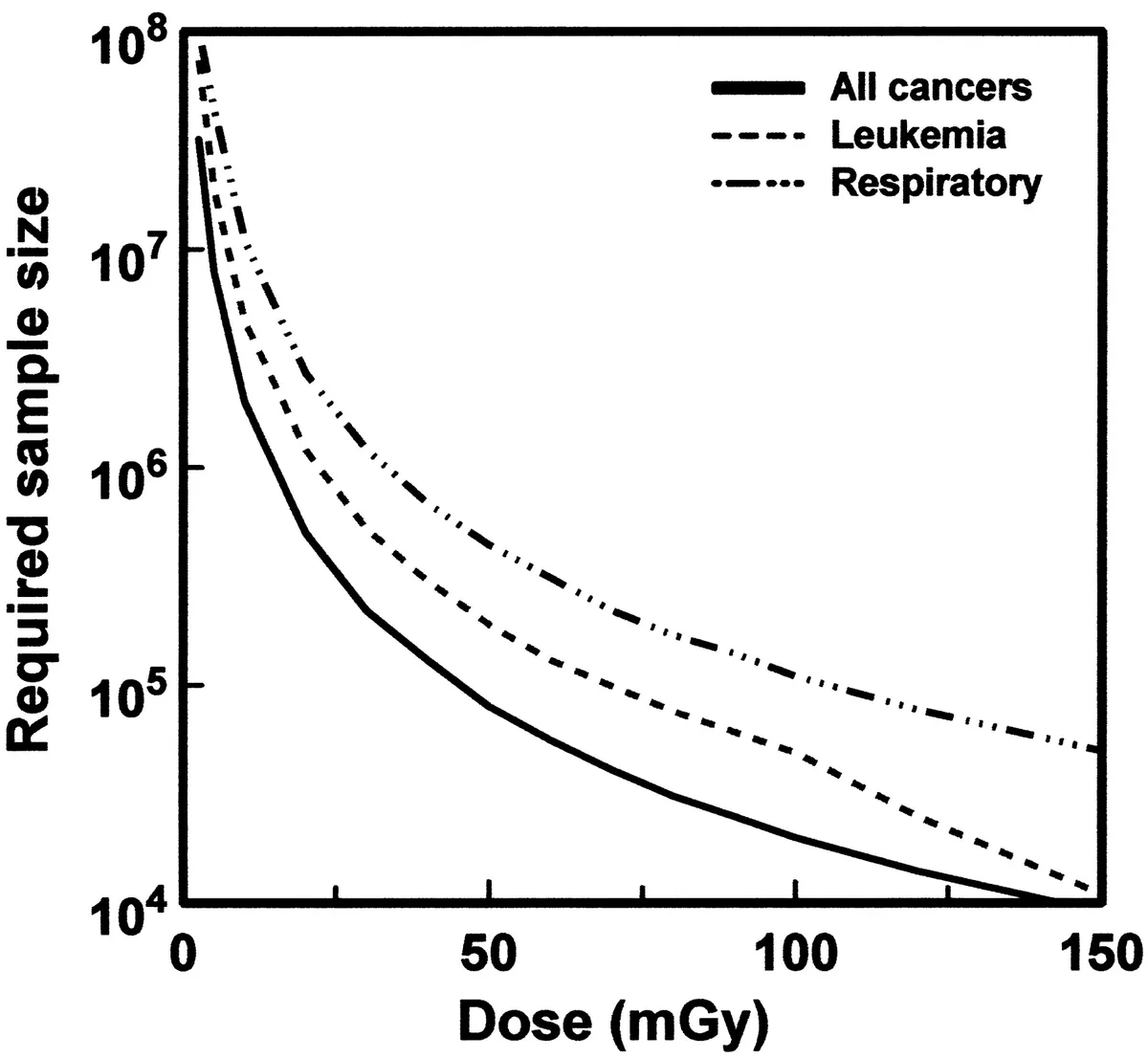
Sample Size Explained: Why Small Studies Aren't Useless
What sample size really means, how statistical power works, and why small studies can still be good science when the size fits the question.
What sample size really means, how statistical power works, and why small studies can still be good science when the size fits the question.

ResearchGate and Academia.edu compared: who can join, who posts, and where real activity by researchers actually happens online.
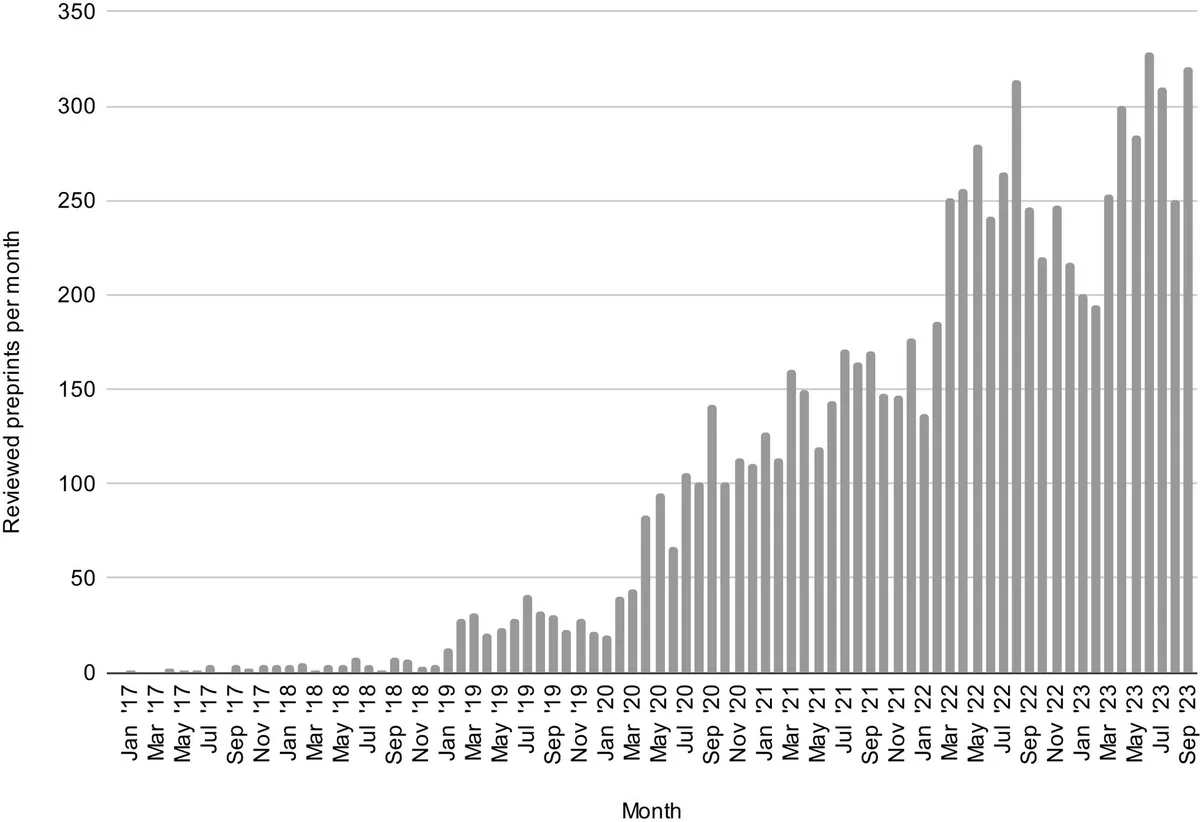
An explainer on preprint servers: how they work, why researchers post papers before review, and what that speed means for quality control.

A confidence interval is not a hedge and a model is not a prophecy. Here is how to read both without falling for false certainty.

A vendor whitepaper argues internal builds get expensive as complexity grows. Its claims deserve a careful reading.

The American College of Sports Medicine's first resistance-training update since 2009 points to one variable worth changing first — and it depends on your goal.

Turning a dense journal article into something a twelve-year-old can finish is a craft with its own rules, and its own failure modes.

The word is older than the university. The obligations it carries are younger, and still changing.

A qualitative study of Multnomah County's Preschool for All finds that free tuition solves one problem and creates a harder one: the compromise.

A capture–recapture analysis doubles the accepted lifespan estimate. The case is interesting, and weaker than the headline suggests.