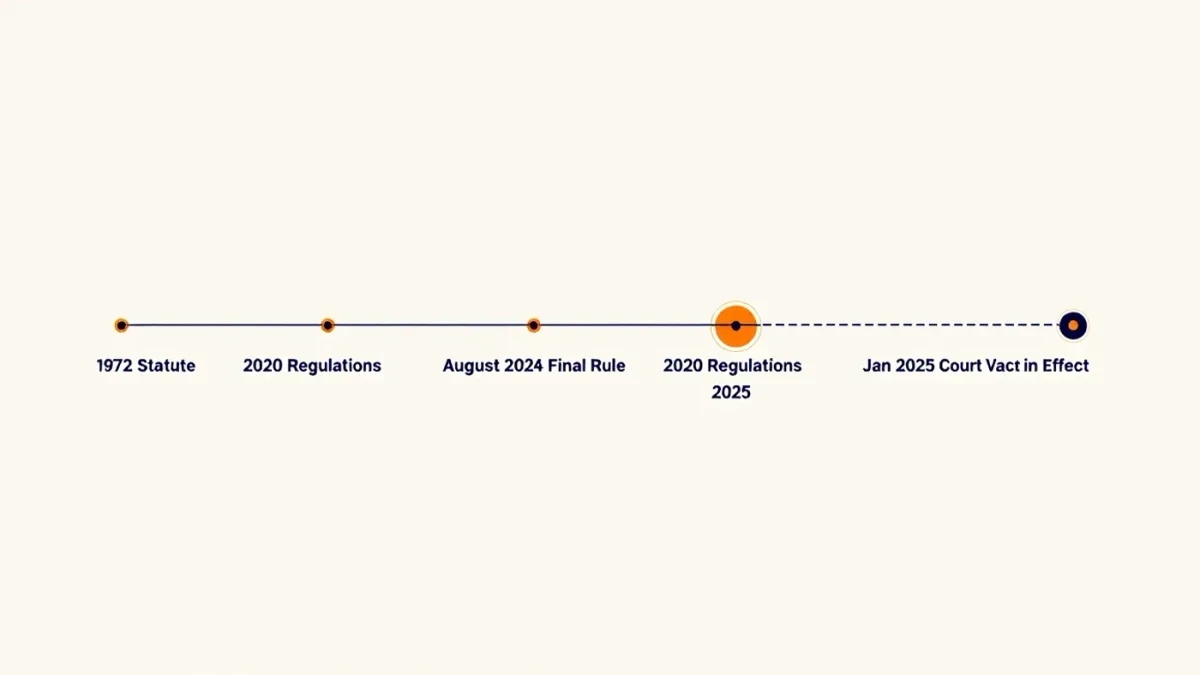
The U.S. Department of Education began overhauling federal accreditation policy on three fronts between December and February: it sought public comments starting December 12, 2025 to open its reform effort, its advisory committee NACIQI met on December 16, 2025 to review accrediting agencies, and on January 26, 2026 it launched a negotiated rulemaking committee on accreditation, per the department. The push follows an executive order from April 2025 directing the department to lower barriers for new accreditors.
Accreditation is the gatekeeper system of American higher education: an institution must hold accreditation from a federally recognized agency to receive federal student aid, which is why changes to the recognition rules ripple through every college's finances, campus budgets and which programs can operate at all.
What does the reform aim to change?
Per department statements and coverage by the Council for Higher Education Accreditation, the core proposal is to make it faster and easier for new accrediting agencies to win federal recognition, a process that has historically taken three to five years. The department has argued that more competition among accreditors will lower costs and reduce ideological gatekeeping; critics, including faculty groups, counter that weaker entry standards could erode quality assurance.
Why does negotiated rulemaking matter?
The January 26 committee, part of what the department has labeled its Accreditation, Innovation and Modernization effort, brings higher education stakeholders to the table to negotiate regulatory text before any formal proposal. Consensus in this process makes a final rule far easier to issue; deadlock sends the department to the slower route of writing the rule itself. Either way, any change to 34 CFR part 602, the recognition regulations, must clear public notice and comment before taking effect.
What should students and institutions watch?
The near-term marker is the committee's negotiating sessions through 2026 and whatever proposed language emerges. For colleges, the practical questions are whether recognition timelines actually shorten and whether program-level accreditors gain new flexibility. For students, accreditation matters mainly through eligibility: the number to track is whether any institution loses aid eligibility, or any new accreditor wins recognition, under whatever rules are finalized.