Subject file
Science News
Science News files daily announcements — new papers, funding decisions, findings — each dated and attributed to its source.
Science News files daily announcements — new papers, funding decisions, findings — each dated and attributed to its source.
Science News
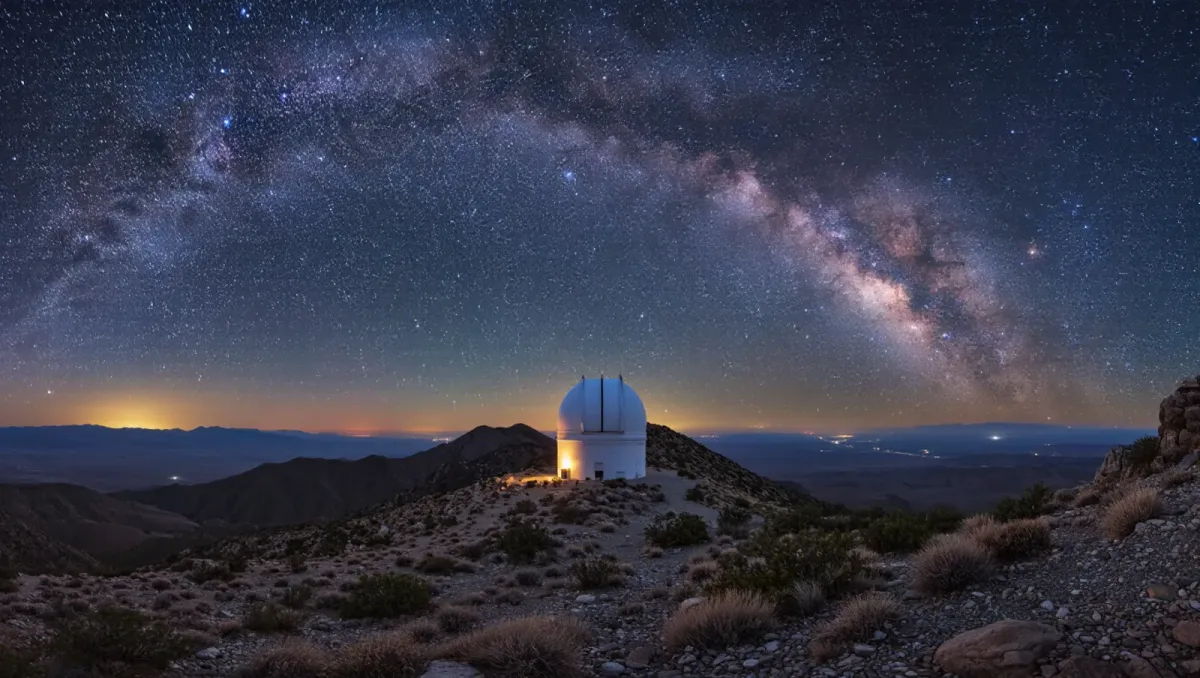
Per the Rubin Observatory team, early survey data released April 2, 2026 catalogued more than eleven thousand previously unknown asteroids, including hundreds of near-Earth objects.
By Samuel Achebe • April 14, 2026
Science News
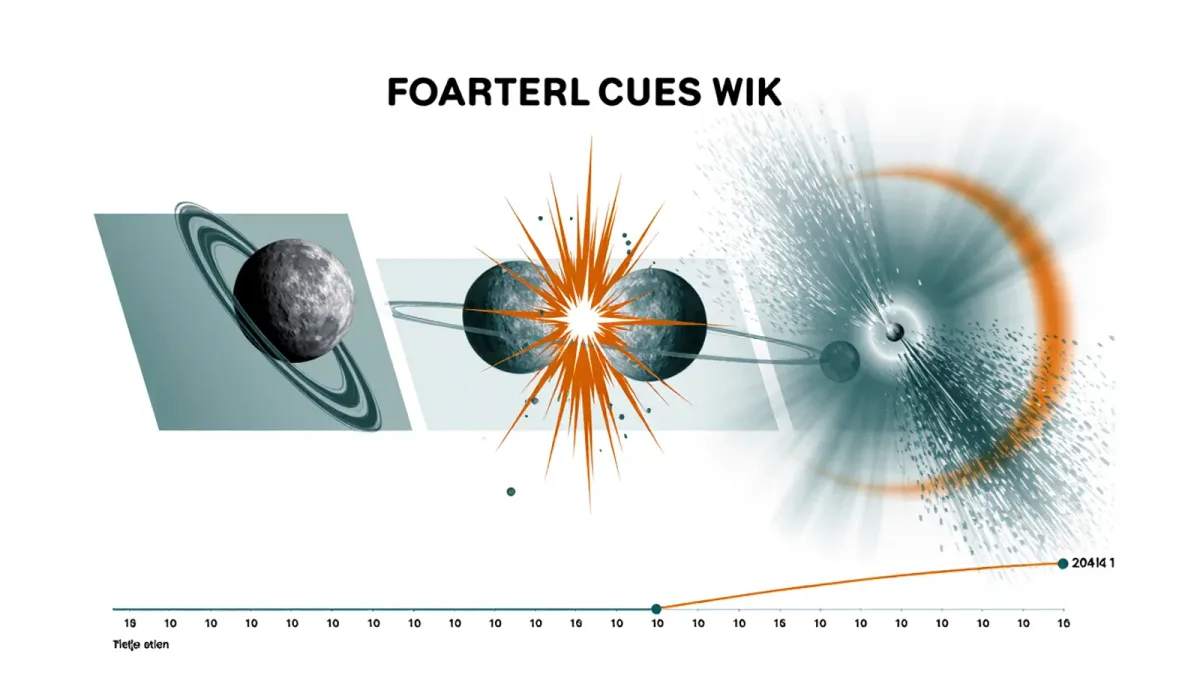
University of Washington researchers announced March 11, 2026 that the young star Gaia20ehk shows the warm dust signature of two exoplanets — or planet-sized bodies — smashing into each other.
By Samuel Achebe • March 22, 2026
Science News
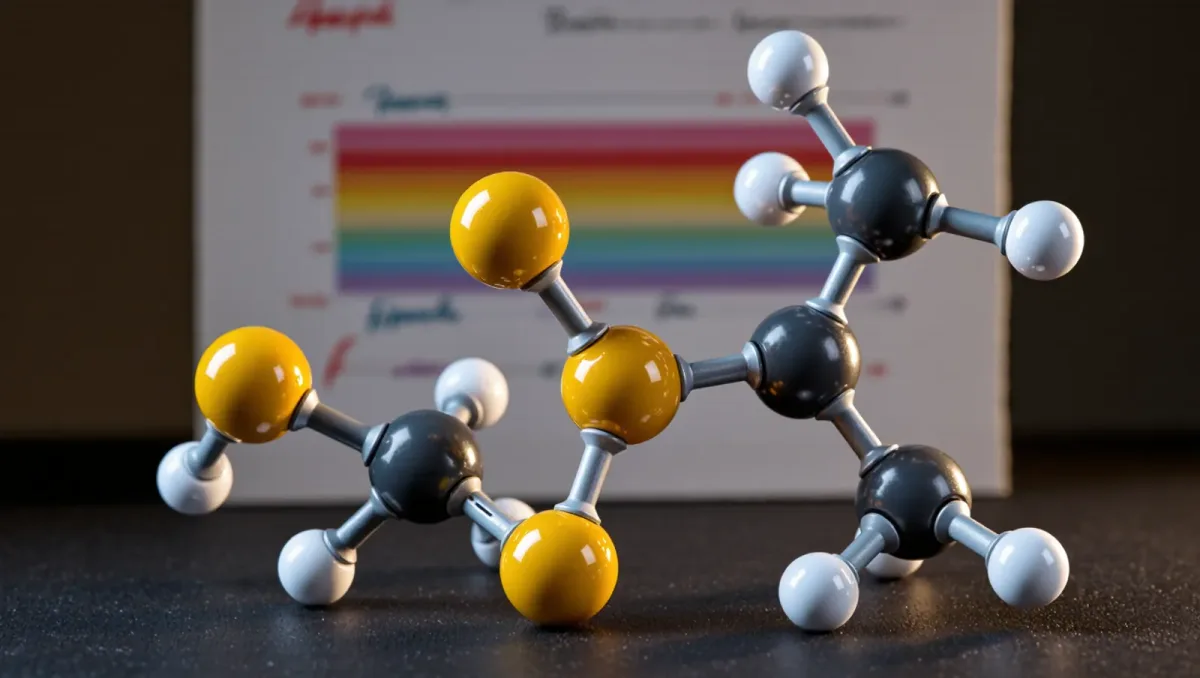
A study published January 23, 2026 in Nature Astronomy reports detection of the biggest interstellar organosulfur molecule yet, found in a cloud near the center of the Milky Way.
By Samuel Achebe • February 27, 2026
Science News
Texas A&M astronomers announced January 29, 2026 that the James Webb Space Telescope caught two galaxies merging when the universe was less than a billion years old — a scene models did not predict.
By Samuel Achebe • February 4, 2026
Science News
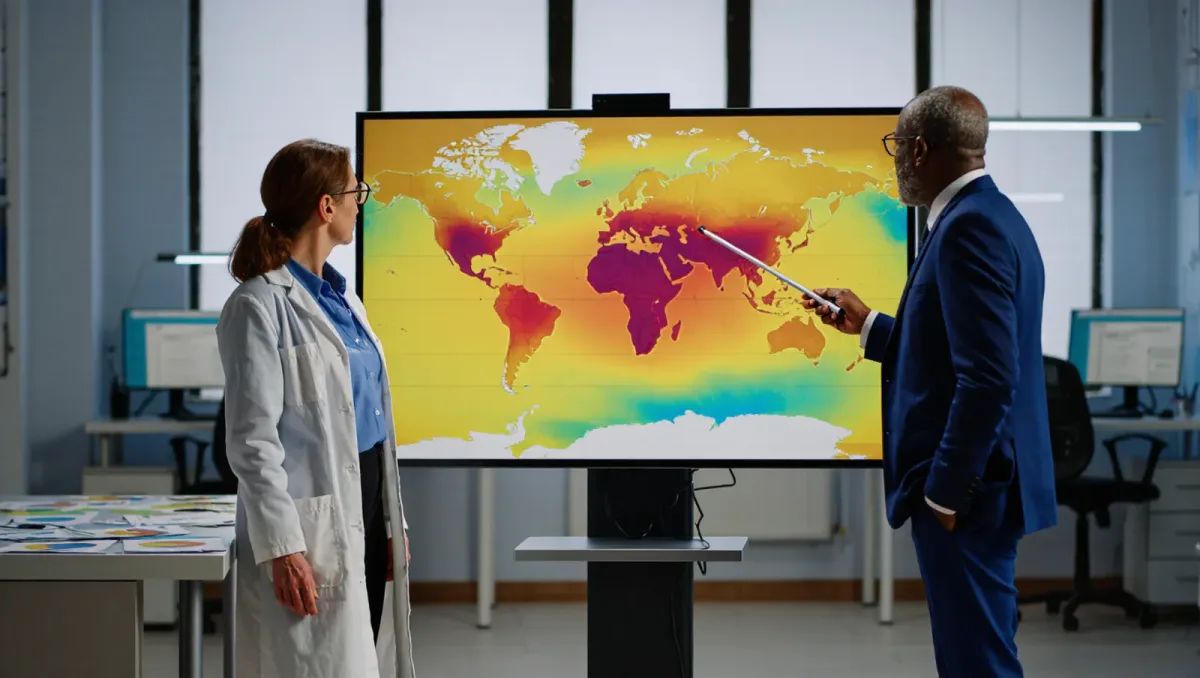
The Copernicus Climate Change Service's annual tally, released January 13, 2026, ranks last year just behind 2024 and 2023, with the polar south setting its own record.
By Samuel Achebe • January 13, 2026